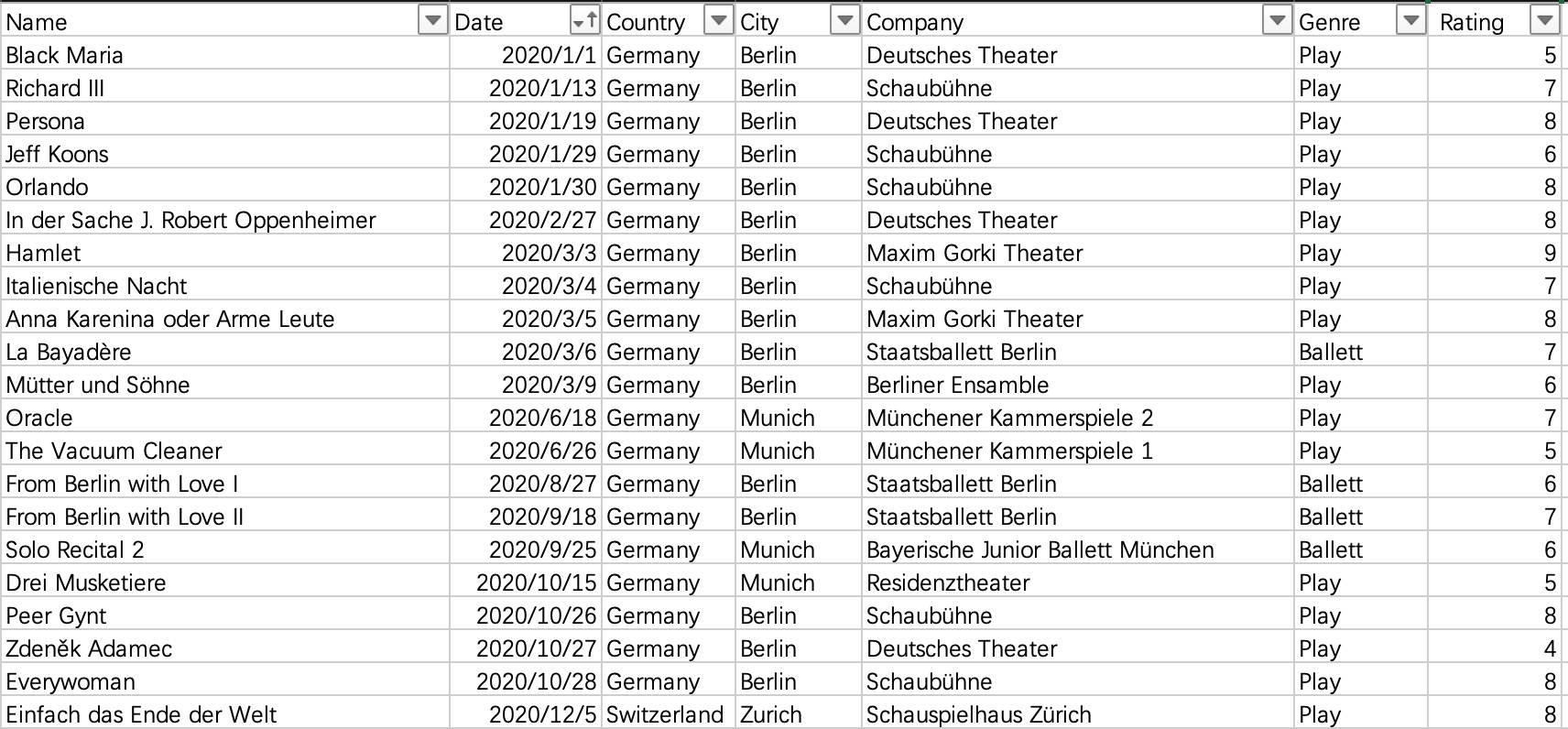
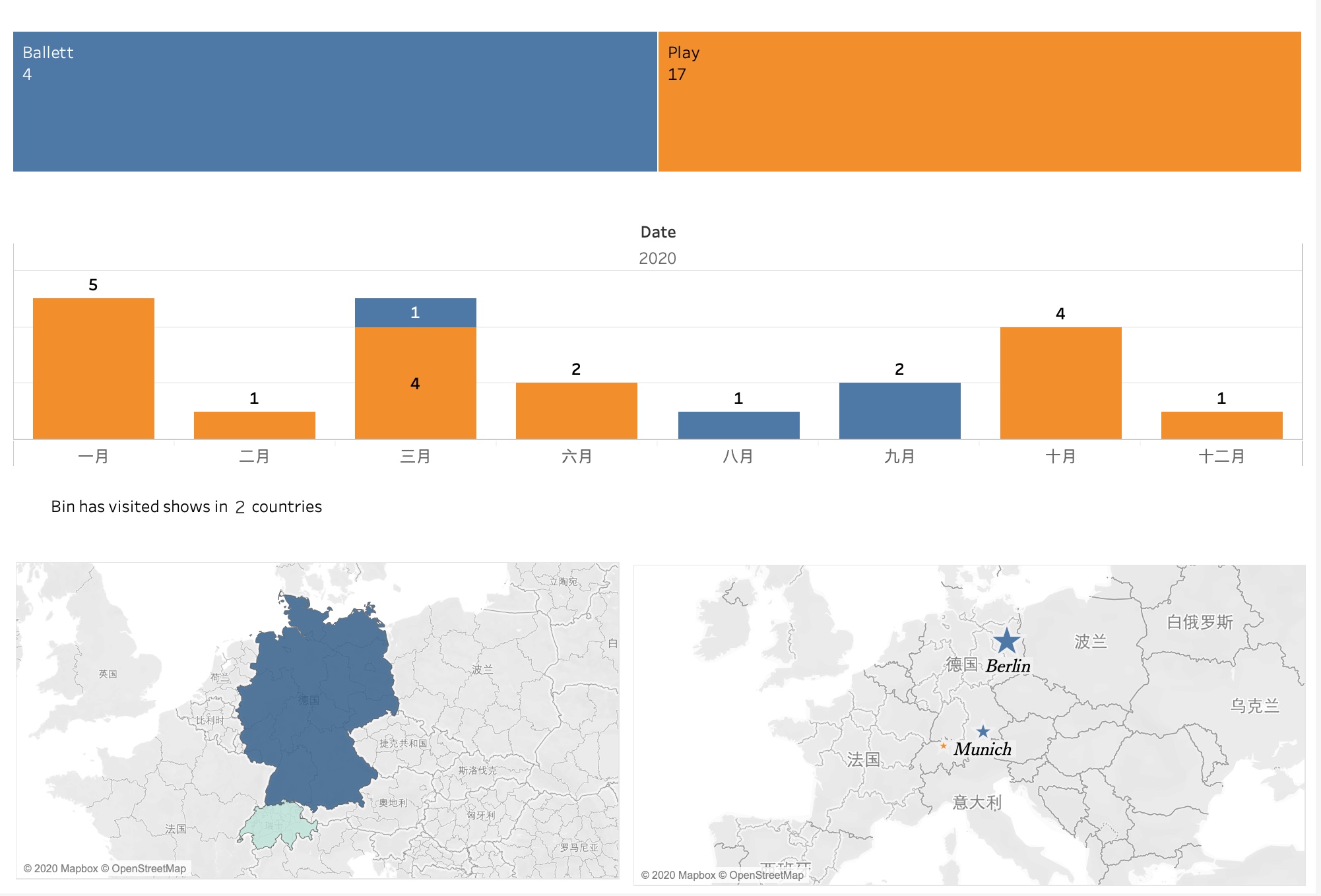
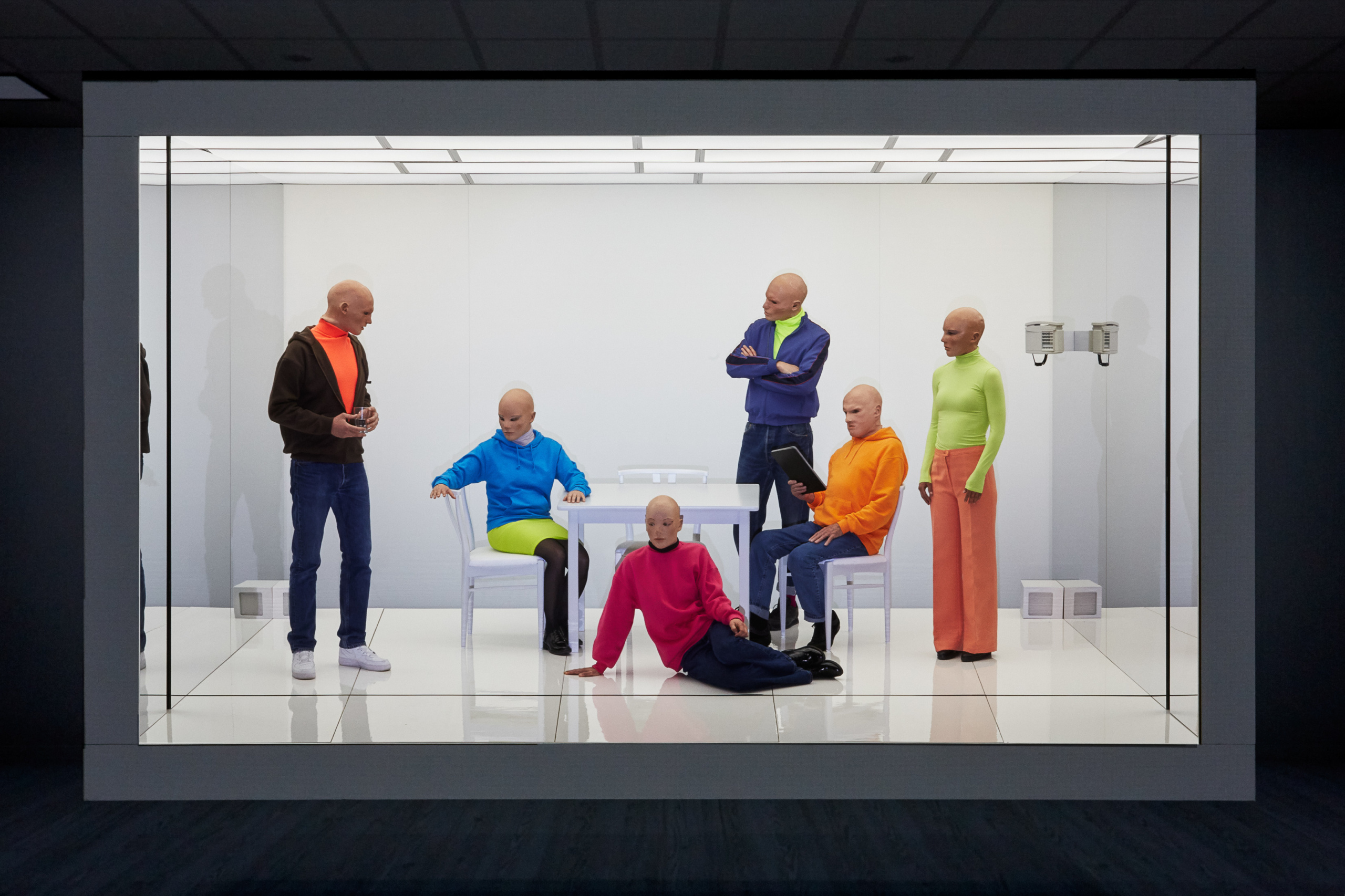
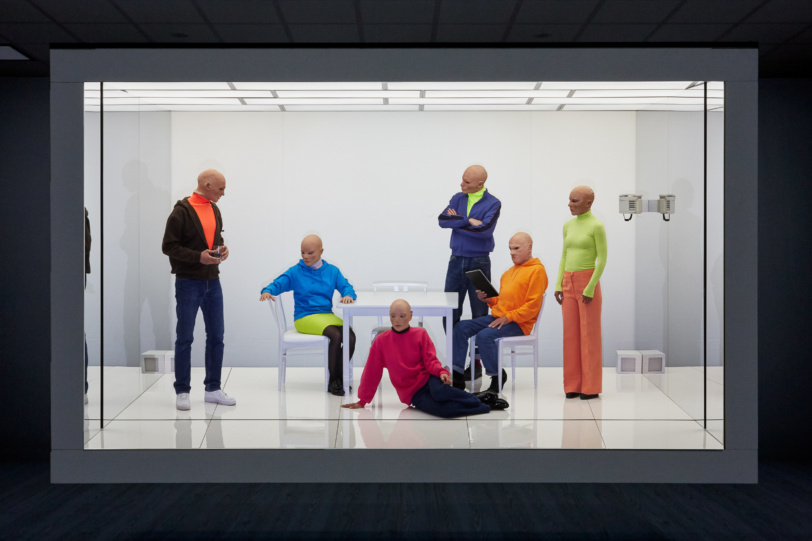
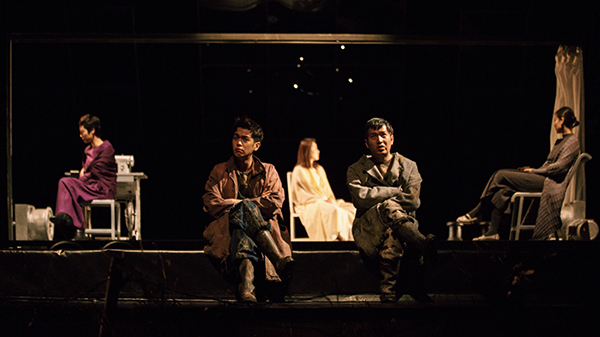
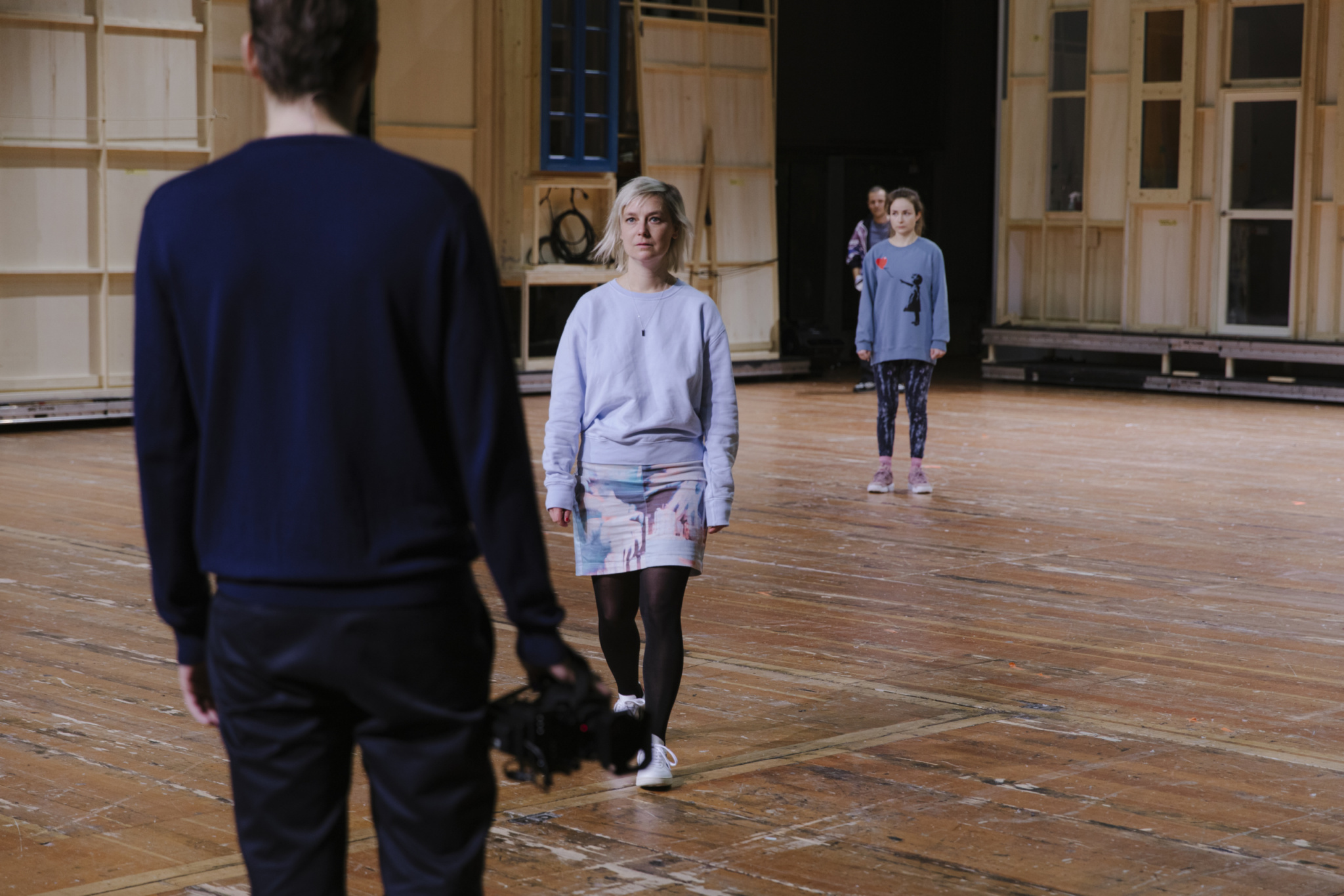
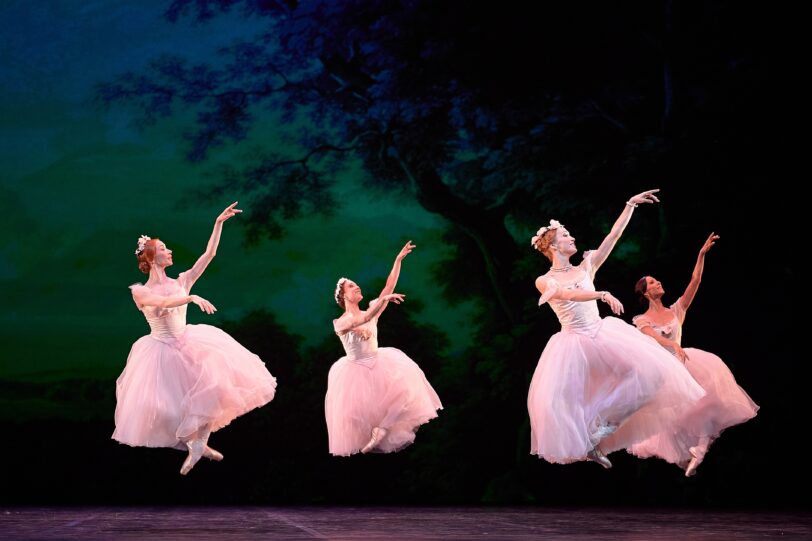
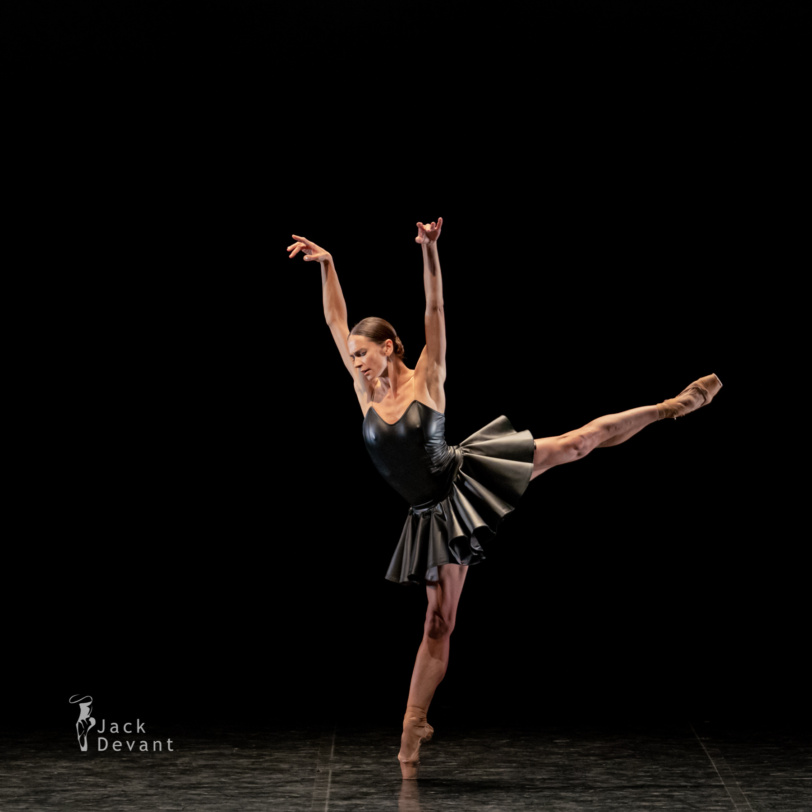
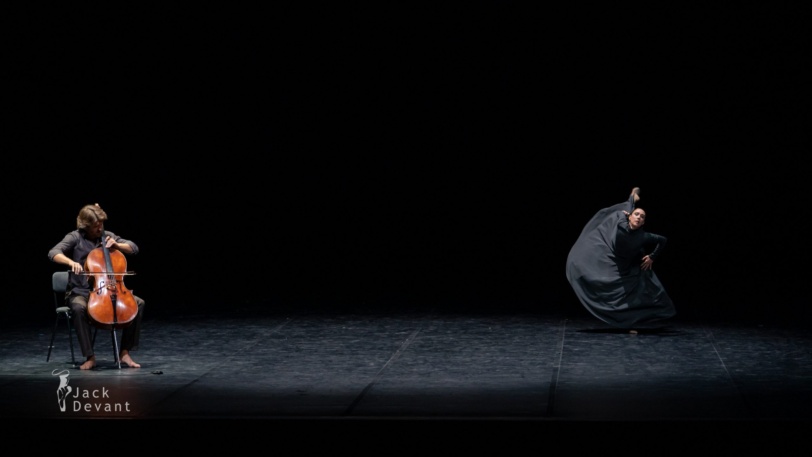
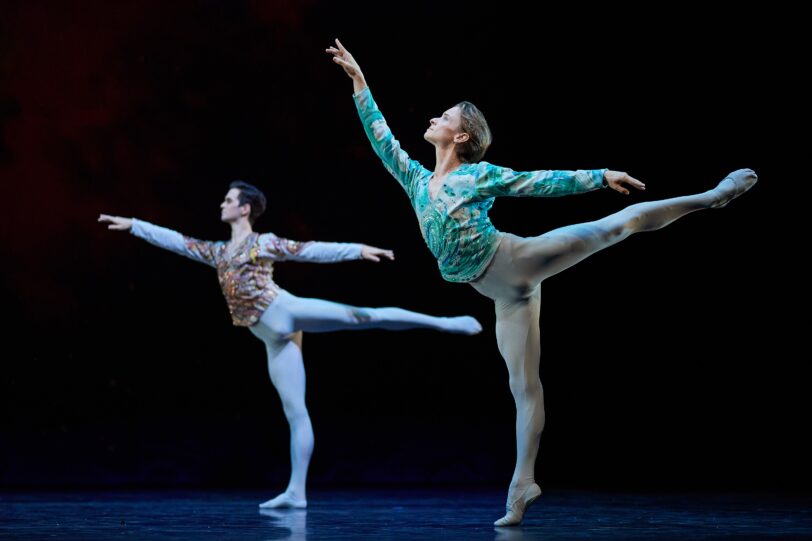
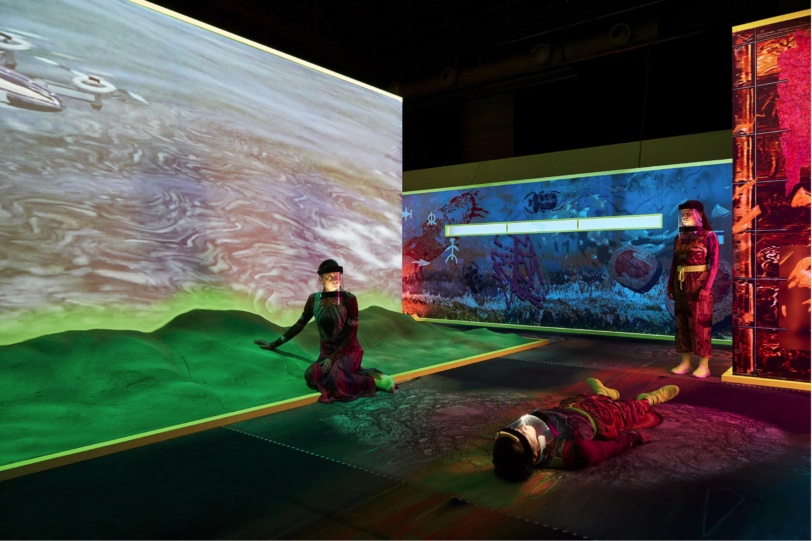
夏天疫情有所好转,在慕尼黑见缝插针看了Susanne Kennedy的《神谕》,入选了今年柏林戏剧节的《吸尘器》,还跑回柏林三次看了两场芭蕾和三部戏剧。芭蕾是柏林团疫情准备的《From Berlin with Love》特别演出,三部戏是德意志剧院排演的诺贝尔文学奖得主Peter Handke新作《Zdeněk Adamec》,以及邵宾纳的两场独角戏-Lars Edinger主演的《培尔·金特》和Milo Rau的《Everywoman》。再之后就是去了欧洲地区头最铁的国家瑞士看了Rüping的新作《只是世界尽头》。
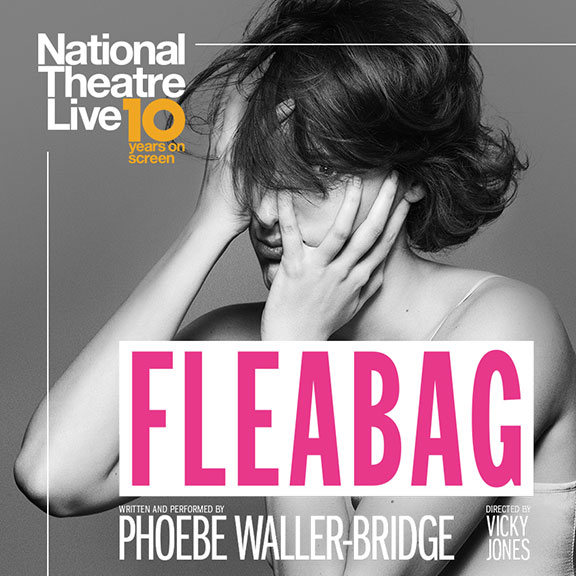
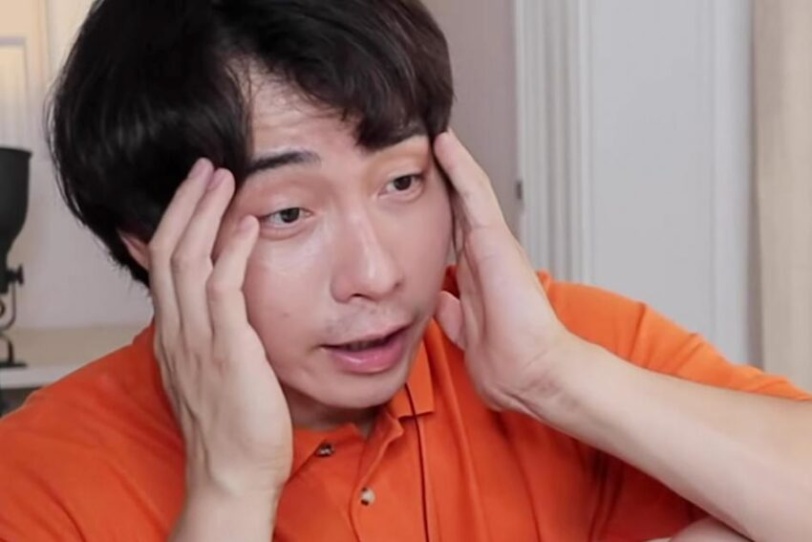
NT Live也看过几十场了,这部《伦敦生活》是唯一一部有资源我却不想收藏的,当时看到网上的一片好评本来兴致满满,看完却是一头问号。不像《Hangman》那样口音严重,里面的各种梗也大多都听懂了,可就是不知到底好笑在哪儿。隔了一年半为了写剧评本想再看一遍,可15分钟真的就是极限了。下面是这15分钟里所有现场观众的笑点,我一次都没笑出来反而越看表情越严肃,一部我绝对会中途离场的表演:
面试开始时太热试图把上衣脱掉
对面试官说”我又不想睡你,你看看你自己“
”I ordered a slutty Pizza, the bitch was dripping“ 双关梗
在我们的上一期播客 《三姐妹》:一部无聊的戏为何年年演?中学姐提到了”低俗喜剧“这个概念:是指通过吹嘘、喧闹的笑话、醉酒、骂人、打架、滑稽和其他骚乱活动来制造笑声以外的一种没有任何主要目的的大众娱乐的戏剧性或文学性形式 [Encyclopædia Britannica] 这部《伦敦生活》就是典型的低俗喜剧。低俗喜剧缺乏社会大多数人的欣赏,与高雅喜剧相比,低俗喜剧被人看不起。低级喜剧的唯一目的是唤起人们的笑声。由于大多数形式的低俗喜剧没有任何情境信息,所以并没有受到人们的高度尊重 [B. A. (Jan 21, 1934). “Salute to low comedy”. New York Times.]
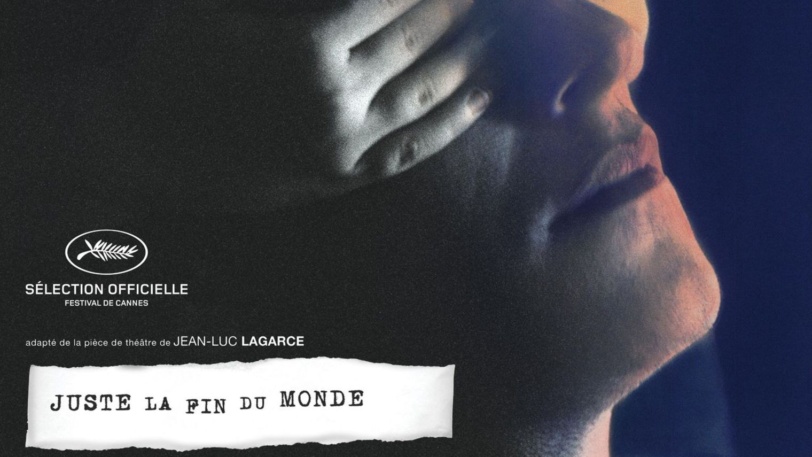
is an adaptation of a play by French writer Jean-Luc Lagarce. An artist who hasn’t been home for 12 years, on the verge of a serious illness, tries to reconnect with his family, telling them that he is dying. When he returns home with a video camera, he discovers that his family is very different from what he remembers: his mother, his sister, his brother, everyone is distant from him.
In 2018, director Xavier Dolan made a film of the same name, starring some of France’s top stars, but it was met with mixed reviews, with French audiences giving it high marks, while international audiences, who could only read the subtitles, said they couldn’t understand the actors’ performances because they couldn’t feel the emotions in the dialogue. I wonder if director Rüping with a first-rate cast of German-language theater actors will change my impression of the film.
Movie Poster of “Just the End of World”
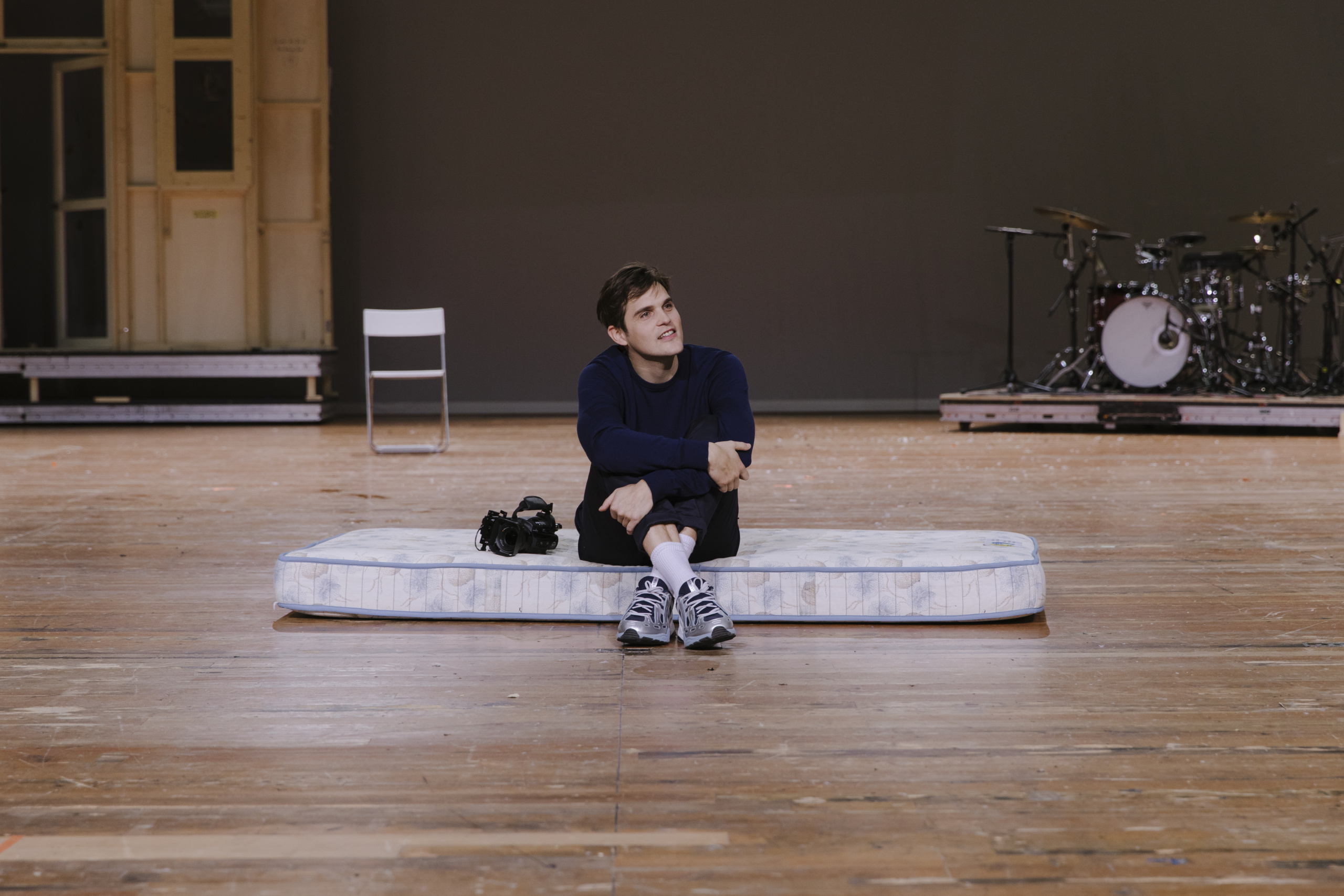
As one of the few theaters in Europe with its doors still open, the epidemic has limited it to an audience of 50. Sitting in a converted shipyard theater, in front of a huge stage yet it is so close to the audience. The main actor, Benjamin Lillie, begins by breaking the 4th wall between himself and the audience: “My name is Benjamin Lillie, I’m 35 years old and I haven’t been home for 12 years”. Step by step, Lillie brings the audience into his own life, making one wonder how much of the character is scripted and how much is his own life experience. Brecht’s estrangement effect not only allows the audience to jump out of the play, but in turn allows those outside of the play to quickly enter the world the director has created.
“Who hasn’t been home for 12 years? He (I) hasn’t been home for 12 years.” Singing, drumming, and interacting with the audience, Lillie showed his super energy in the first few minutes with this one line. His previous performance in <It Can’t Happen Here> (click to read) was stunning, and he didn’t disappoint the audience this time either. Tall, with a hint of femininity in his face, he is so radiant in both dancing and singing that he might just beat Nils (also in this play, playing the older brother) as my favourite actor in the German-speaking theater world.
In the past, scenic designer Jonathan Mertz’s sets for Rüping’s plays were so simple that they could be described as crude. This time however, he created an incredibly detailed set, bringing all the objects of a family of four to the stage, from the fruits and pickles in the refrigerator to the souvenirs that Mom brought back from her travels.
When we recreate our own home image in our memories, we think not only of “bed here, table there,” but also of all sorts of odd little objects, like the old photos in the third drawer of the table in the lower right corner, or the keychains hanging on the wall beside the entrance.
The CD player on the table, the marijuana in the drawer, and the piles of male and female porn magazines under the bed give us a sense of the anguish and struggle the man faced as a gay child in a small town.
The first half of the show ended after only half an hour with a high drumbeat, and a dozen or so stage workers came on stage to pile the hard-designed set into the corner, leaving only an empty space.
The home in the man’s memory vanished the moment he entered it, leaving only a sense of strangeness. The man and his brother were standing on the diagonal line on the stage, separated by several dozen meters, and the two brothers, who were once very close to each other, were so distant after 12 years.
The second half is the less common “regular storytelling” style in Rüping’s plays, in which the three siblings are played by Benjamin, Nils Kahnwald, and Wiebke Mollenhauer, each of whom I’ve seen in many other Rüping’s plays. It’s amazing to see them, who normally act in a totally different way this time do another style just as well, and Nils totally deserves to win Theater of the Year in Munich last year.
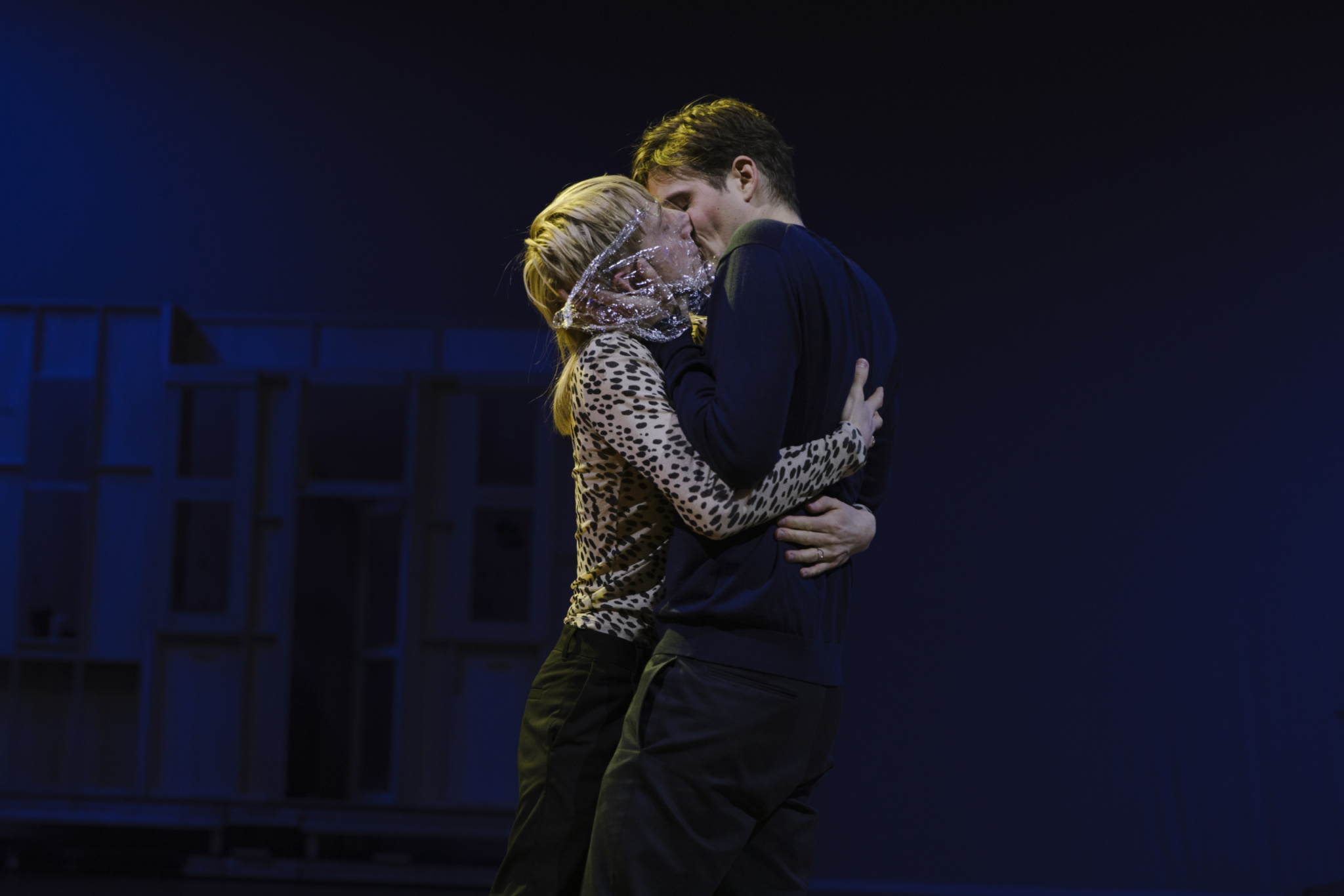
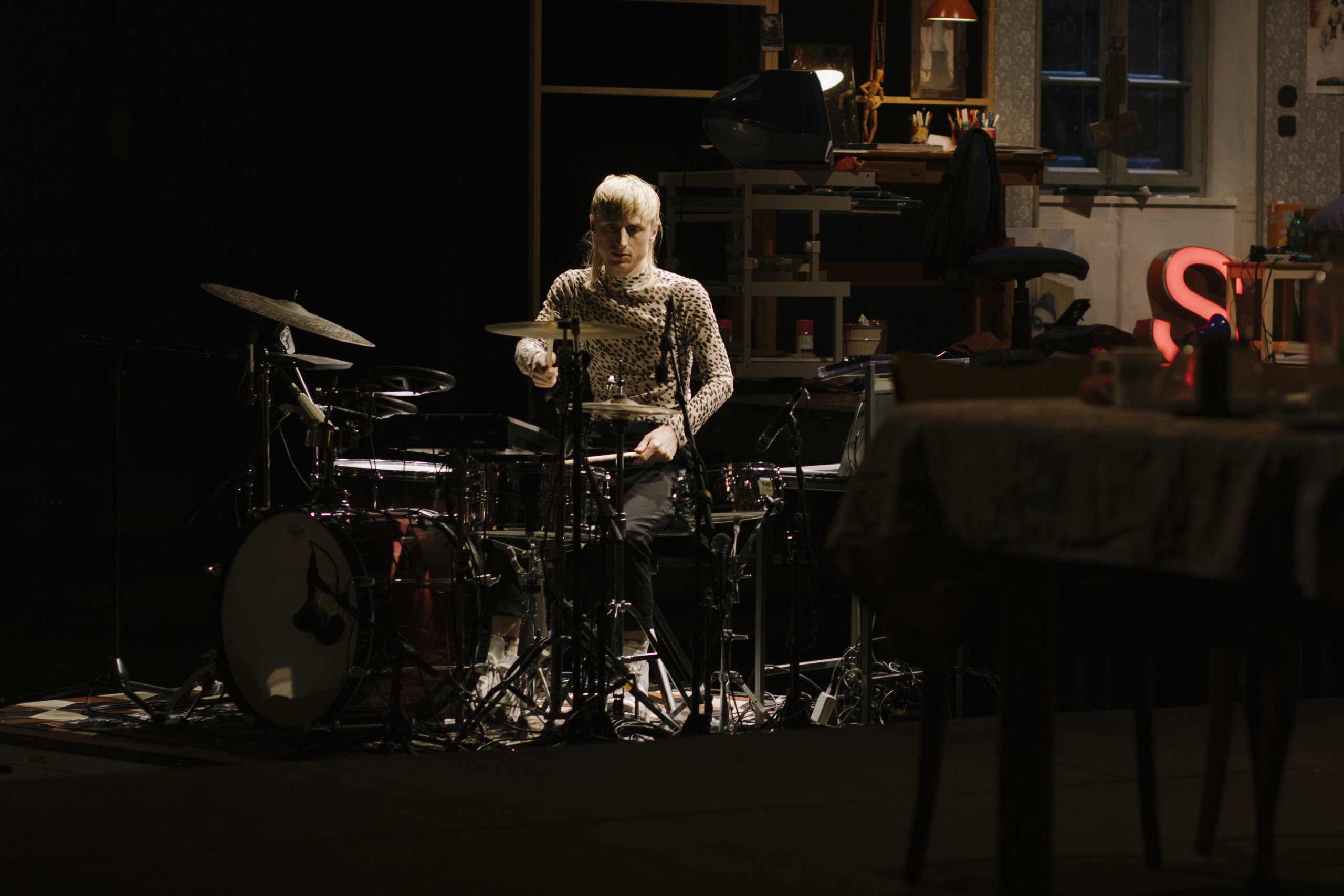
Whenever I watch Rüping’s plays, I look forward to the music, which can bring the audience to a climax as soon as the lights hit the music. The best part is that the seemingly cheesy approach is slightly different each time, and you never get tired of it. Actor/ musician Matze Pröllochs, who has appeared several times in Rüping’s plays, still took the lead in creating the atmosphere this time. No lines, just the passionate playing behind the drums and the kiss with Lillie through the plastic wrap, but it was the best finishing touch in the production.
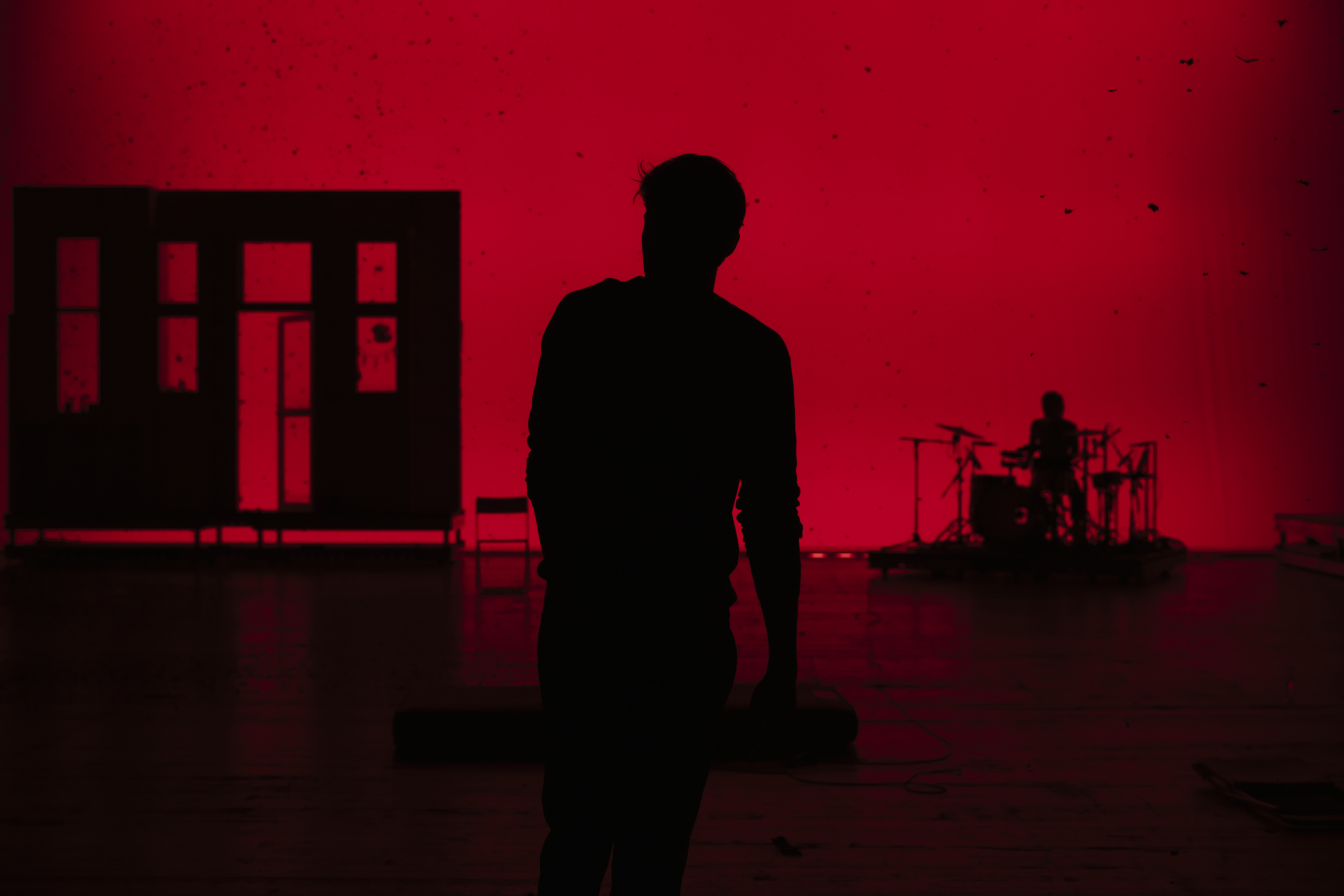
The backdrop glows bright red, the actors are transformed into black silhouettes, the drums burst, the four blowers, the black dust in the sky, and the play comes to an abrupt end in this Grand Finale. The absence of the “father” character leaves more room for the intertwined relationships of the characters to operate, and the intricacies and intertwining of the relationships between the family members can be much more appreciated. The rivalry between the two brothers also makes the audience sigh, as the 12 years of suppressed emotions explode into a total lack of resolution, leaving them with nothing but helplessness.
The obvious theme of <Just the End of the World> is “family”, and Rüping, who has just moved to Zurich as director-in-residence, intends this to be the first of his “Family Trilogy”, with the final chapter by British writer Max Porter’s “Grief is the Thing with Feathers”, the second part of which is still undecided, is destined to become a classic of German-speaking theatre when the trilogy is finished in a few years.
★★★★☆
In normal times, I might have given it a 5 star, but for someone who hasn’t watched much theater plays in half a year and expects to end the year with a Rüping’s play, I feel this time that the excitement weren’t dense enough, and the lack of excitement in the most part of the second half didn’t completely alleviate the withdrawal symptoms of no theatre.
The play has a busy December schedule at the Schauspielhaus Zurich theater, and the surrounding countries do not need to be quarantined except for some French and Austrian visitors. (The theater is closed until Jan.22 2021) Those who can’t see it in theater have the option of watching it live on December 17 at 19:00 Central European Time for a minimum ticket price of five euros. IP restrictions may apply, so please be prepared.
这部《只在世界尽头》的主题显而易见是“家庭”,刚搬来苏黎世做驻场导演的Rüping打算以这部当作自己在苏黎世“家庭三部曲”的第一部,最终章是英国作家Max Porter的《Grief is the Thing with Feathers》,而第二部还没有决定好,以他的水平几年后三部曲拍完注定是德语区戏剧的经典。
来柏林最大的目的还是看Polina Semionova,女神跳的是由Mauro Bigonzettis编舞的《Cinque(五)》,在维瓦尔第歌剧《Stabat Mater dolorosa》的伴奏下Polina总是在试图掩盖自己极度悲伤的情绪,试图寻找出一个出路,在现在这种艰难的环境下看来更多了一番意义。
柏林团想把From Berlin with Love打造成一个疫情之下的系列。第一场的节目单中大部分都是现代舞和当代芭蕾,而第二场则满足了热爱古典芭蕾观众的期待。这次同样是《Pas de Quatre》开场,只是改成了Jules Perrot的原版,四个人中一个首席,两个solo舞者和一个demi-solo,每个人的表现都可圈可点,只是来自日本的Aya Okumura动作略微有些拖沓,显得不够干净,但整体上用这个开场也展现了柏林团强大的实力。这部浪漫主义的作品十分考验舞者的基本功,古典芭蕾体系中的每个脚步动作在这里都有呈现,从舒缓的Adagio,到轻快的Petite Allegro,和考验舞者跳跃能力的Grand Allegro。整部舞除了开头和结尾的合舞之外最重要的还是每个人都有大段跳独舞的机会,能充分展现到自身的特点和强项,这里面最亮眼的是solo dancer Evelina Godunova,身高腿长而且动作的完成度完美,感觉是个能快速晋升的好苗子。
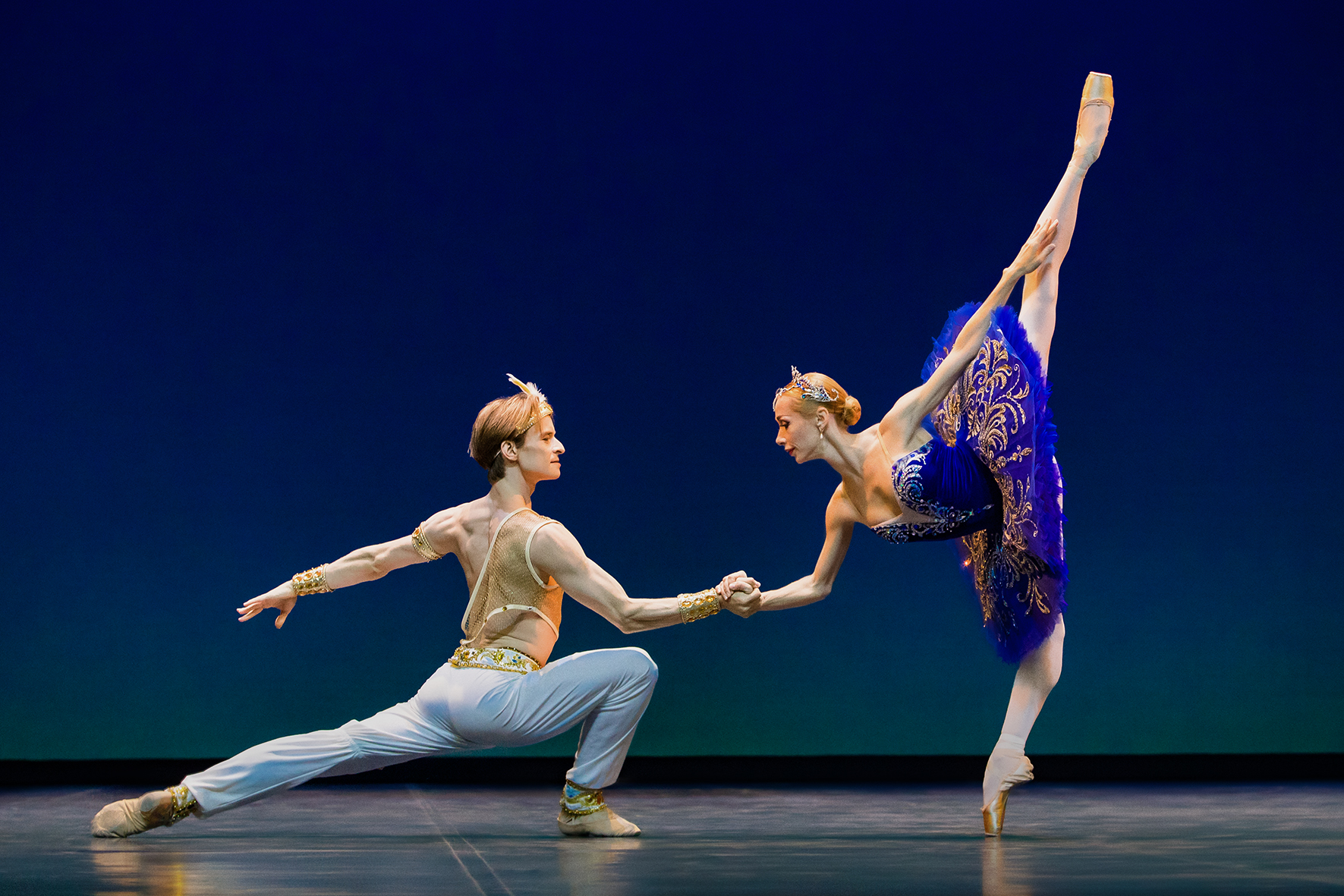
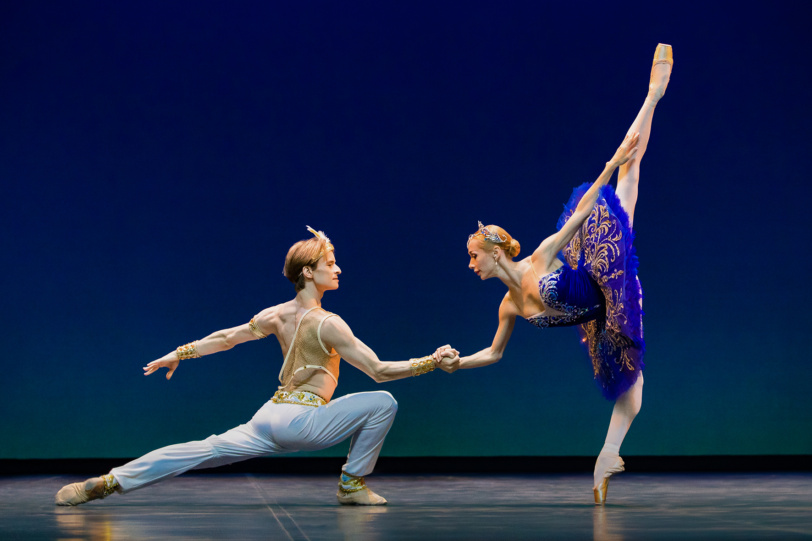
第二场是《Corsaire(海盗)》中的双人舞选段,上场的是柏林团的两位台柱Iana Salenko和Daniil Simkin,台柱的意思是每次来柏林如果不是专程来看女神Polina基本一定会看到这两位,然而这么多次不管是看两人分别跳还是pas de deux,始终觉得感情不到位。两个人作为首席动作技巧自然不必多说,但随之而来的高要求却总觉得他们在跳舞的时候情感就是出不来,作为观众很难入戏,Daniil身形太小,长相也给人一种很阴柔的感觉始终觉得他跳不出阳刚之气,而Iana作为当家女首席却跳不出“王者之气”,与其说是首席更像是一个技巧极好的Corp
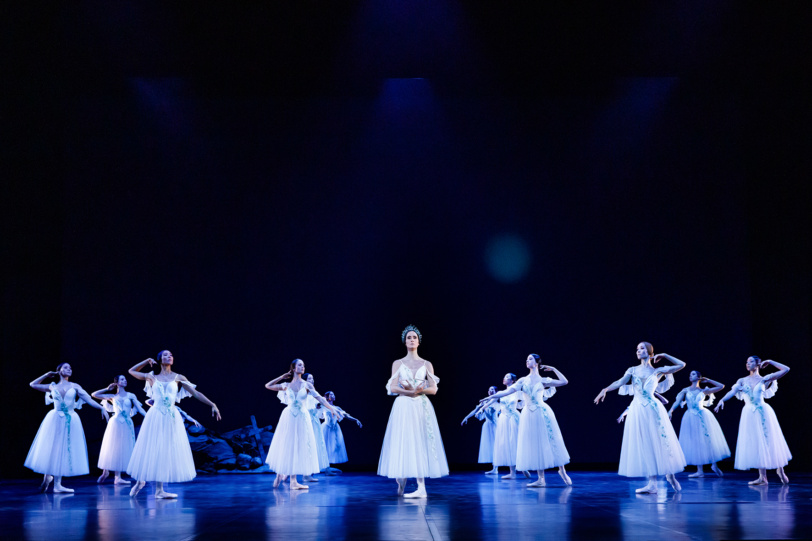
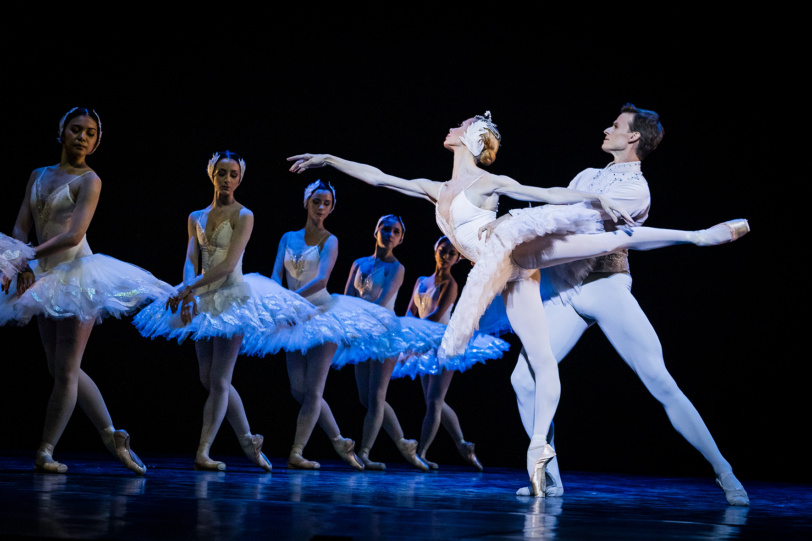
在下半场安排了《天鹅湖》的几个选段,我作为《鹅》的极度拥趸兴奋异常,古人云:”世上没有难看的《鹅》,只有太过于picky的观众”。手臂不够柔?那就看腿好了。感情不到位?但就别看脸呗。虽然对于上一场From Berlin with Love I中第三唱突然换人导致我没看上女神的《鹅》依旧耿耿于怀,但看这场Iana的版本仍旧觉得那些恰到好处的动作展现了芭蕾最纯粹的美。不光是台上,《鹅》台下的配置也高过其他一筹,疫情之下芭蕾舞团的配乐都改成了放录音,低音传到观众席里十分浑浊,只有这场动用了乐队,虽然只有四个人在乐池演奏但效果也好出一大截。
看完这两场觉得柏林团这个专题还是有点临时拼凑出来的感觉,以往的Gala都是众星云集高难度动作满天飞,而现在更像是有谁用谁,并且因为上座率太低还要考虑成本。期待疫情结束能回柏林看场全剧。这几天柏林又新加入了一场《From Berlin with Love III》和《IV》,有《Corsaire》《鹅》《仲夏夜之梦》,还有《Jewels》和几场当代芭蕾,能满足各种爱好者的口味,演出时间分别是17&18.10和29&30&31.12。《II》可能是由于观众呼声过高也要在18.12加演一场,大家记得提前买票。
This article was first published in the May 2020 issue of <NCPA Magazine> Editor: Zhenzhen Cao In modern theatre, music is often a neglected part of the show, music is rarely in the spotlight when we talk about theatre, there’s also many people call theatre music the “Phantom of the Theatre”. Although music in film art often seeks to be overlooked and ignored, as “the best film music is music that is not noticed by the audience,” can music only hide behind the scenes in silence? Who decided that the main part of theatre is the text, the dialogue, instead of the music?
In theatre, music serves several roles
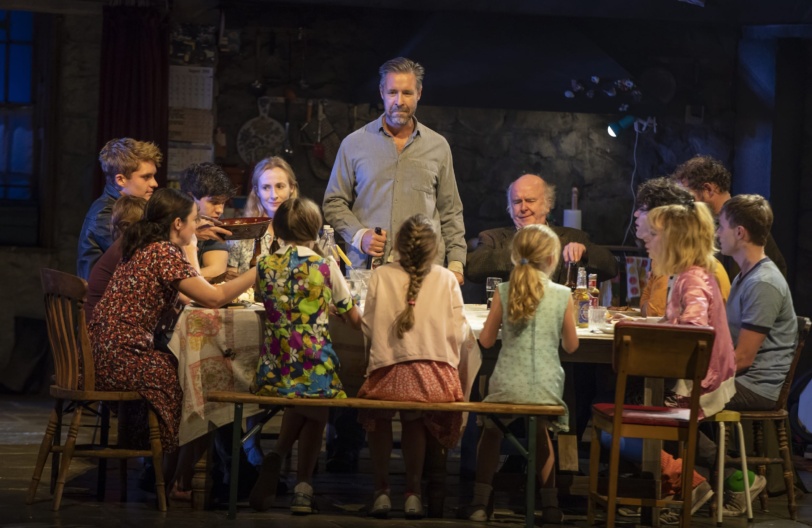
1. characterization: people have already established different impressions of various kinds of music before they enter the theatre, for example, “cheerful” and “tragic” in terms of rhythm, “patriotic songs” in terms of theme. Once the audience enters the theatre with this impression, the director can make full use of this connection between music and emotion to portray the character. In the Tony Award-winning play “Ferryman” about the hunger strike in Northern Ireland, the famous Irish rebellion song “A Row in the Town” and the Northern Irish punk song “Teenage Kicks” were used when the IRA (Irish Republican Army) appeared.
2. Shift in time and space: Compared to opera, the spatial structure of a play is rarely “in and out”, but rather immerses the audience in the story, which gives contemporary German theatre an opportunity to take advantage of it. This is similar to the effect of the chorus in ancient Greek theatre, where the dialogue and actions of the characters are judged and reflected upon without missing a beat. In Meng Jinghui’s new version of “The Teahouse”, live Rap is used between scenes for scene transition.
3. Render the atmosphere: Traditionally, the main role of music in the arts of film and theater is to render the atmosphere. Although the artistic effect of film relies heavily on visuals and language, without the accompaniment of music, the film’s effect would be greatly reduced. As an example, director, Chritopher Rüping of Munich Kammerspiel, always slowly draws the audience to a high point and then followed by some epic music, which make people’s emotions burst and climax.
In the process of creating theatre music, unlike in the past, when musicians were approached only a week before the premiere, musicians are now increasingly involved in the entire creative process from the first day of rehearsals, providing musical suggestions on the one hand, and working with the director and actors to promote the improvement of a play on the other. In subsequent productions, many directors have chosen to have musicians play live on stage, where the “playing” even includes conversing with other actors. But even though the identity of theatre musicians is becoming more and more diverse, they rarely limit themselves to the theatre, but want to explore more musical possibilities.
In the process of putting together a play, the new generation of directors is increasingly able to understand the concepts provided by the musicians, for example, they can trust that when a musician is needed to provide “satirical European nationalism”, the final product will be roughly in line with the theme, unlike the older generation of directors who had to hear the finished music. This may also be one of the reasons why American director Robert Wilson used a wide range of pop songs in his plays.
The form of music in theatre is always innovative. While opera, concert, ballet – each art form corresponds to a model that includes staging, audience etiquette, audience interaction, etc. – theatre is constantly trying to break down the barriers between these models on stage, such as the opening scene of the British National Theatre’s “Julius Caesar”, which has the audience gathered around a small stage to hear the actors rock and roll. In German theatres, there are even more radical experiments with musical possibilities, such as using deafening noise to make the audience feel uncomfortable, and let them focus on the “hearing” itself.
“Julius Caesar” NT Live
Since the creation of MIDI and microphones in the 1990s, musicians have also had more room to play on stage, where they can record and edit various sound effects in real time. The biggest advantage of microphones over ordinary instruments is that they can be combined with vocals in an infinite variety of ways. Rüping’s <It Can’t Happen here”> uses harmonizers to make the human voice mechanical, and making people feel detached from the character. Or in the case of a solo performances, by repeatedly recording one’s own voice overlaid on top of each other to create a harmonic effect.
In the past, music often complemented the play, such as Beethoven’s music for Goethe’s “Egmont”, Mendelssohn’s music for Shakespeare’s “A Midsummer Night’s Dream”, and so on. Today, however, theatre music is often composed for a play alone, moving away from being a separate part to a supporting role, and because music and text are so closely integrated in modern theatre that the music itself, stripped from the play, cannot be called a separate “work” like an opera. But it is precisely because of this symbiotic relationship, and the constant innovation of theatre music forms over the decades, that music has become increasingly important to modern theatre.
在现代剧场中,音乐常常是被忽略的一环,观众的期待、剧评人的点评、甚至是在很多台本中,音乐都很少摆在聚光灯下被人评判,也难怪有人将剧场音乐称作“剧院魅影” (Phantom of the Theatre)。虽然在电影艺术音乐常常追求的正是被人忽视,比如“最好的电影音乐是没有被观众注意到的音乐”,但难道音乐只能默默无闻的躲在幕后吗?谁又决定了剧场的主体是文本、对白,而不是音乐呢?
在剧场中,音乐发挥的作用主要有这几个
1. 刻画人物:人们在进入剧场之前已经对各种音乐建立了不同印象,例如在节奏上有“欢快”和“悲惨”,在主题上有“爱国红歌”或是“靡靡之音”。当观众带着这种印象进入剧场之后,导演就可以充分利用这种音乐与感情的连结来刻画人物的性格。在描写北爱尔兰绝食事件的托尼奖话剧《Ferryman》 中,当IRA(爱尔兰共和军)出现时就用到了爱尔兰著名的反抗歌曲《A Row in the Town》以及对于英国观众耳熟能详的北爱尔兰朋克歌曲《Teenage Kicks》