From Berlin with Love (Gala I&II)
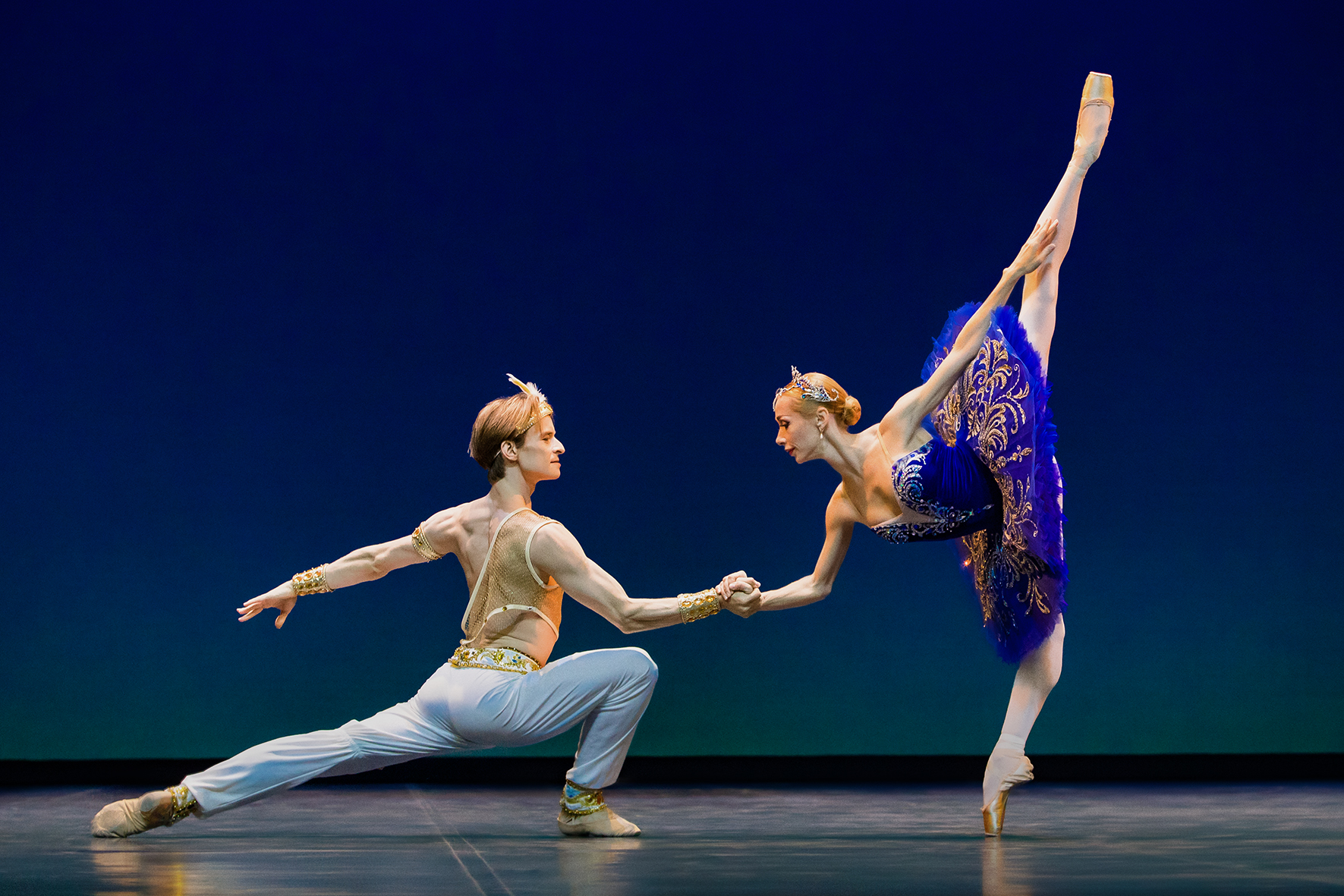
Ballet galas are often the highlight of an entire dance company’s season. More than half of the galas I’ve seen in the past were commemorative or celebratory events, such as the retirement of a director who had served for decades, or a principal dancer inviting friends to perform together.At galas, not only are many famous dances, rare works, or brand-new pieces presented, but the performers are usually the world’s top principals, showing off dazzling skills on stage, making for an exceptionally exciting experience.
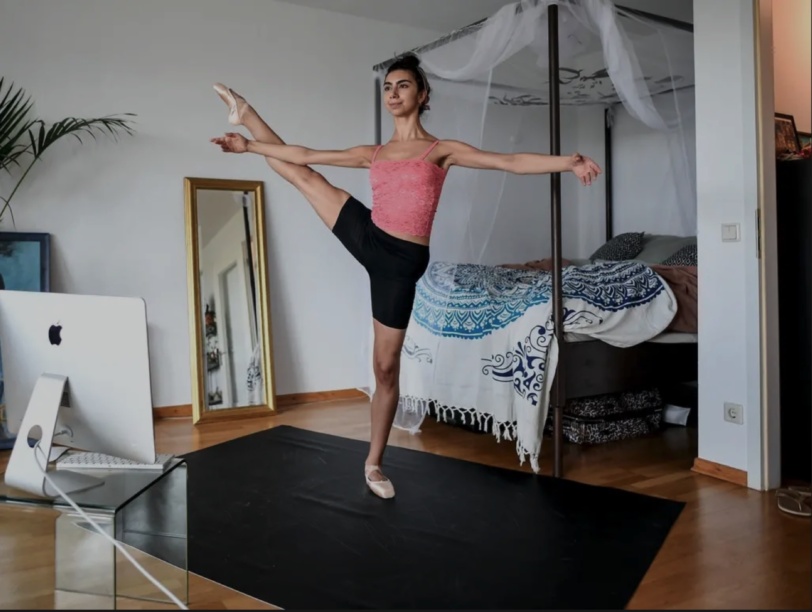
Berlin’s theaters have been closed for five and a half months. Besides the Corona pandemic, there was the early-year upheaval when the two directors, Sasha Waltz and Johannes Öhman, left the company ahead of schedule. During such a chaotic period, fortunately the dancers didn’t stay idle at home; soon after the pandemic started, they received practice floors delivered from the company, making their home office anything but peaceful (tongue-in-cheek).
As the opening performance of this season, the 1800-seat theater only opened over 400 seats. I originally thought Berliners, having been cooped up for half a year, would rush to grab tickets, but it turned out there were far fewer attendees than expected. It seems the older ballet-loving crowd is more afraid of the virus than the younger generation.
I
The opening “Pas de Quatre” is a classic ballet choreographed by master Jules Perrot. Its premiere in 1845 caused a great stir in England, as the audience had never seen a ballet where the four top dancers performed together on one stage. This version is adapted by Anton Dolin based on the original, and the four dancers on stage were none other than Berlin’s four principals: Iana Salenko, Yolanda Correa, Elisa Carrillo Cabrera, and Ksenia Ovsyanick.
The main reason for coming to Berlin was still to see Polina Semionova. The goddess performed “Cinque,” choreographed by Mauro Bigonzetti. Accompanied by Vivaldi’s opera “Stabat Mater dolorosa,” Polina seemed to be trying to mask her deep sadness, searching for a way out. Under today’s difficult circumstances, this performance held even more profound meaning.
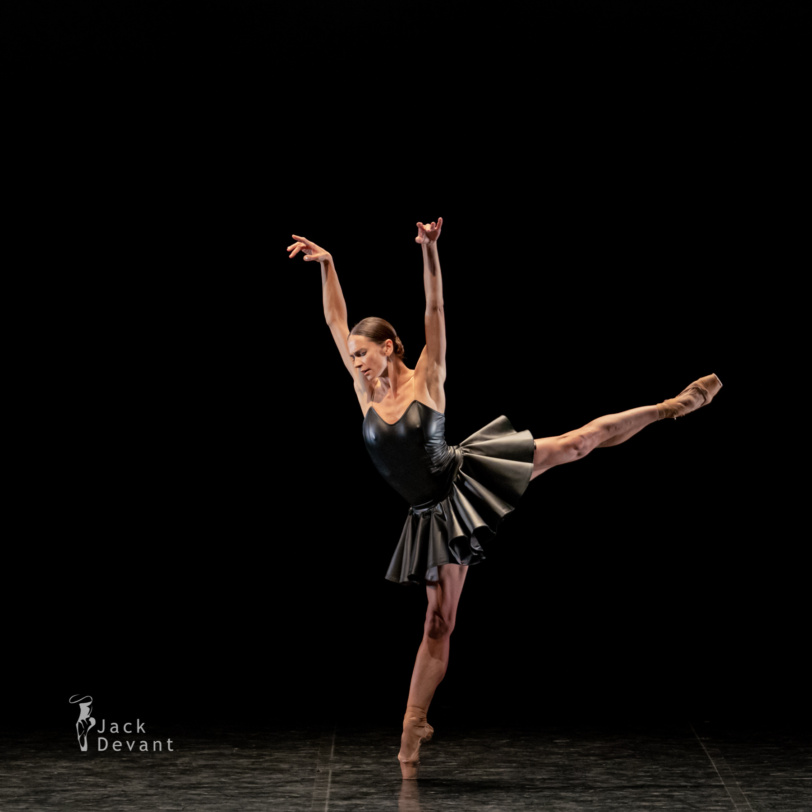
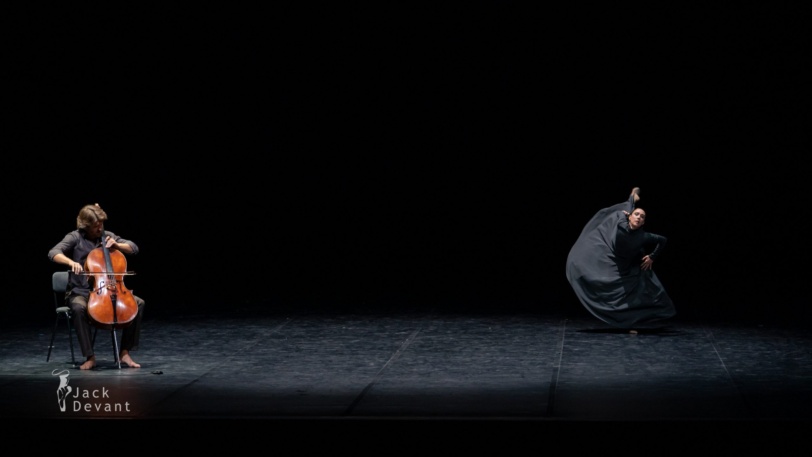
One piece in the second half was a segment from “M-Dao” choreographed by dancer Wang Yabin for the English National Ballet (ENB). Accompanied by cello music, principal Ksenia Ovsyanick, clad in a long dress, showcased the beauty of the body to the fullest extent.
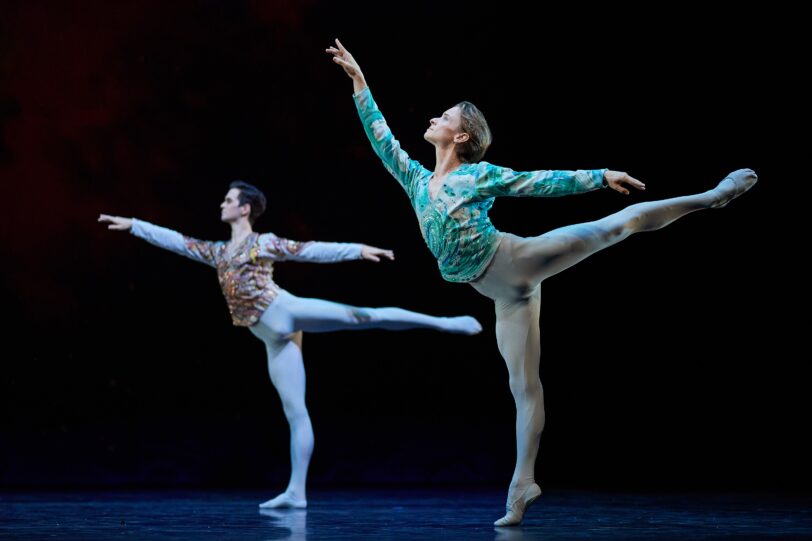
The final piece was a male version of “Variations for Four.” Two principals, Daniil Simkin and Dinu Tamazlacaru, paired with two corps de ballet groups, donned cloaks on stage, resembling a male troupe from the Don Quixote era. Usually, the finale is full of showy technical skills; however, although there was technique on display, it was not flashy. Tamazlacaru’s Barrel Roll had height but his body was somewhat stiff, while Simkin’s execution of the same move even suggested he was a recently recruited dancer. Every time I see him, I have to lower my expectations for him further.
II
The Berlin company aimed to make “From Berlin with Love” a series under the pandemic. Most of the program for the first gala was modern and contemporary ballet, while the second gala fulfilled the expectations of classical ballet lovers.This time, “Pas de Quatre” opened the show again, but reverted to Jules Perrot’s original version. Among the four dancers, there was one principal, two soloists, and one demi-soloist. Each gave a commendable performance, though Aya Okumura from Japan was slightly slow in movement, making her performance less crisp. Overall, this opening well demonstrated Berlin company’s strong capabilities.This Romantic work is very demanding on the dancers’ fundamentals. Every step of the classical ballet technique appears here, from the slow Adagio to the brisk Petite Allegro, to the Grand Allegro which tests the dancers’ jumping abilities. Aside from the ensemble dances at the beginning and end, each dancer had long solo variations that allowed them to fully showcase their unique traits and strengths. The most impressive was soloist Evelina Godunova, tall with long legs, and perfectly executed movements—she seems to be a promising rising star.
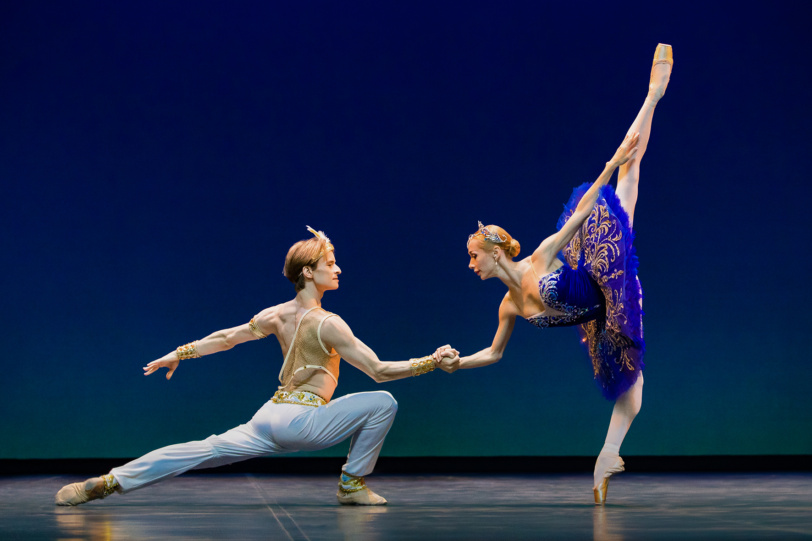
The second piece was a pas de deux selection from “Corsaire,” performed by Berlin company’s two pillars, Iana Salenko and Daniil Simkin. Being pillars means that whenever you come to Berlin, if not specifically to see the goddess Polina, you’ll almost certainly watch these two. However, no matter how many times I’ve watched them dance separately or together, it always feels like their emotional connection is lacking. As principals, their technical skills are unquestionable, but the high standards that come with that seem to hinder their emotional expression during dance. As an audience member, it’s hard to be moved. Daniil is physically too small, and his features give a somewhat androgynous impression, making it hard for him to convey masculine vigor, while Iana, as the leading female principal, fails to project the “royal aura” and seems more like a technically superb member of the corps de ballet than a principal.
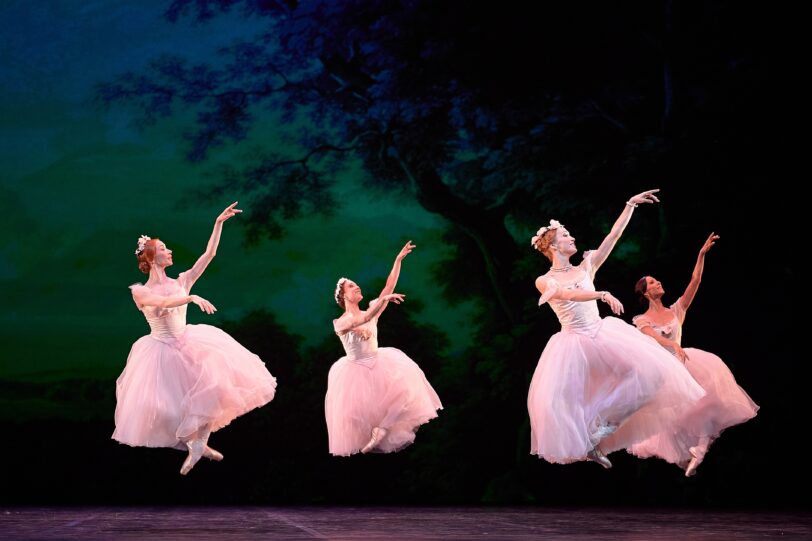
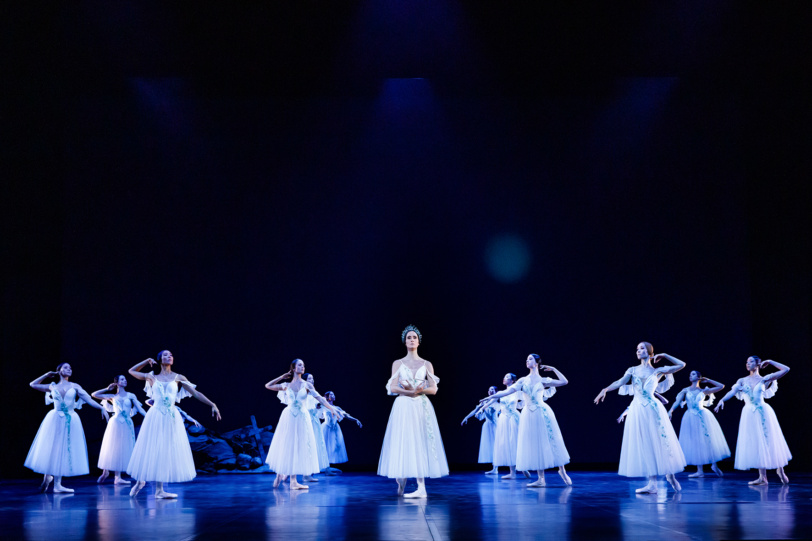
In “Giselle,” the scene performed was the Act II ghost ensemble. This is my favorite large group dance after the ghost kingdom selection in “La Bayadère.” It features both Giselle’s solo virtuosity and simultaneous performances by dozens of corps dancers. It’s thrilling but also exposes the company’s weaknesses. After all, so many dancers on stage means practically the whole company is mobilized. Throughout Germany, only Berlin raises the corps de ballet standard this high (partly due to numbers—Berlin’s female dancers total 53 including guest star Polina. By comparison, Munich has a relatively large troupe with 37, while the Hamburg company only has 28 female dancers).
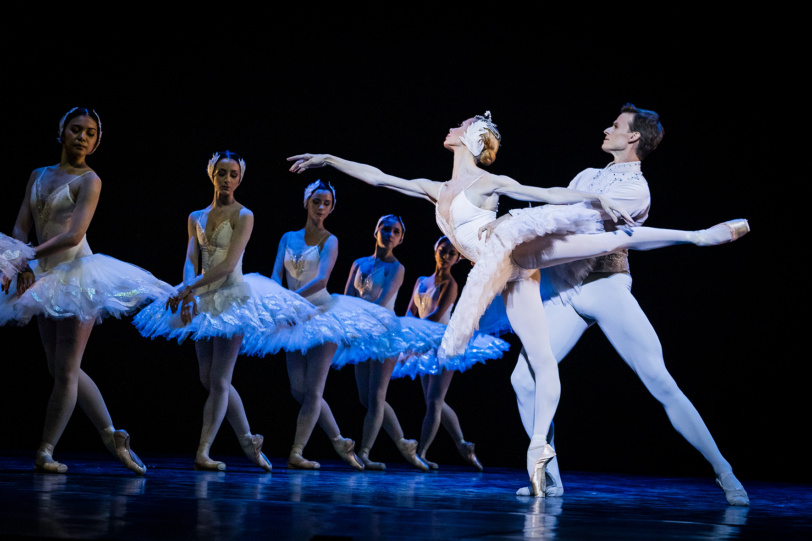
The second half included several excerpts from “Swan Lake.” As a huge fan of “Swan Lake,” I was extremely excited. The ancient saying goes: “There is no bad ‘Swan Lake’ — only overly picky audiences.” Not enough arm softness? Then just watch the legs. Emotional detachment? Then don’t focus on the face.
Although I was still bothered that the third act in the first “From Berlin with Love I” switched dancers suddenly, causing me to miss the goddess’s version of “Swan Lake,” I still felt Iana’s version in this gala perfectly showcased the pure beauty of ballet through her appropriately delivered movements. Not only on stage, but the musical arrangement for “Swan Lake” backstage was also superior to others. With the pandemic, ballet companies have all switched to playing recorded music, where the bass sounds muffled in the audience. Only in this show was a live orchestra used, albeit only four musicians in the pit, but the effect was significantly better.
After watching these two galas, I felt that the Berlin company’s “From Berlin with Love” series somewhat appeared hastily assembled. Previous galas were filled with stars and high-difficulty moves everywhere, but now it seems more like whoever is available is used, and because of the low attendance, cost concerns are also considered. I look forward to the pandemic’s end so I can return to Berlin and see a full-length ballet performance.These days, Berlin has added “From Berlin with Love III” and “IV,” featuring “Corsaire,” “Swan Lake,” “A Midsummer Night’s Dream,” as well as “Jewels” and several contemporary ballets, catering to various enthusiasts’ tastes. Performances are scheduled for 17 & 18 October and 29, 30 & 31 December. Due to popular demand, a performance of “II” was added on 18 December as well. Remember to buy tickets in advance.