Category: 未分类

  • From Berlin with Love (Gala I&II)

    From Berlin with Love (Gala I&II)

    From Berlin with Love (Gala I&II)

    Ballet galas are often the highlight of an entire dance company’s season. More than half of the galas I’ve seen in the past were commemorative or celebratory events, such as the retirement of a director who had served for decades, or a principal dancer inviting friends to perform together.At galas, not only are many famous dances, rare works, or brand-new pieces presented, but the performers are usually the world’s top principals, showing off dazzling skills on stage, making for an exceptionally exciting experience.

    Berlin’s theaters have been closed for five and a half months. Besides the Corona pandemic, there was the early-year upheaval when the two directors, Sasha Waltz and Johannes Öhman, left the company ahead of schedule. During such a chaotic period, fortunately the dancers didn’t stay idle at home; soon after the pandemic started, they received practice floors delivered from the company, making their home office anything but peaceful (tongue-in-cheek).
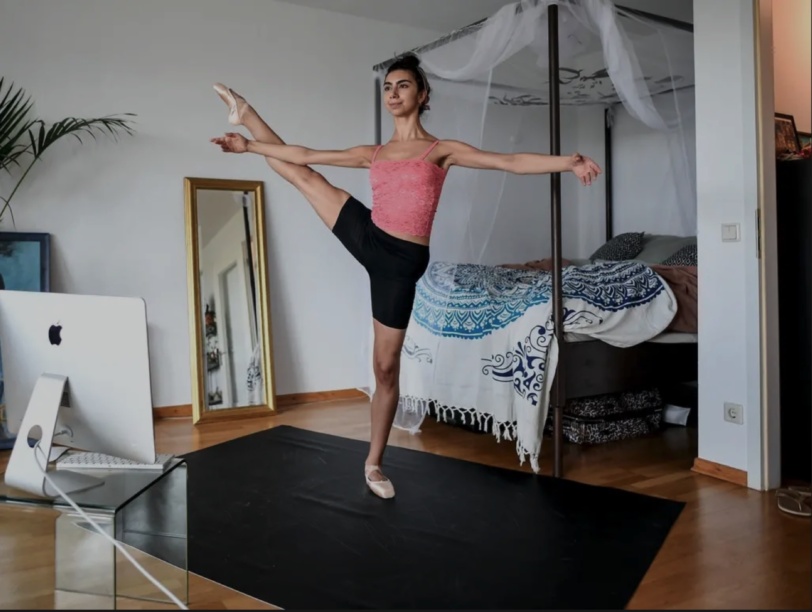
    © Britta Pedersen

    As the opening performance of this season, the 1800-seat theater only opened over 400 seats. I originally thought Berliners, having been cooped up for half a year, would rush to grab tickets, but it turned out there were far fewer attendees than expected. It seems the older ballet-loving crowd is more afraid of the virus than the younger generation.

    I

    The opening “Pas de Quatre” is a classic ballet choreographed by master Jules Perrot. Its premiere in 1845 caused a great stir in England, as the audience had never seen a ballet where the four top dancers performed together on one stage. This version is adapted by Anton Dolin based on the original, and the four dancers on stage were none other than Berlin’s four principals: Iana Salenko, Yolanda Correa, Elisa Carrillo Cabrera, and Ksenia Ovsyanick.
    © Yan Revazov

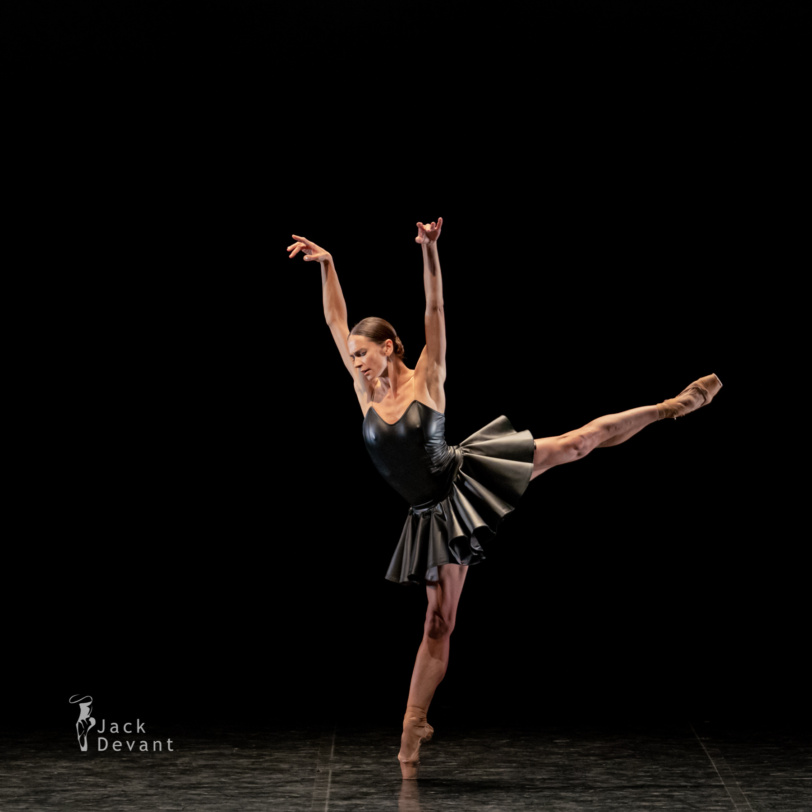
    The main reason for coming to Berlin was still to see Polina Semionova. The goddess performed “Cinque,” choreographed by Mauro Bigonzetti. Accompanied by Vivaldi’s opera “Stabat Mater dolorosa,” Polina seemed to be trying to mask her deep sadness, searching for a way out. Under today’s difficult circumstances, this performance held even more profound meaning.
    © Jack Devant

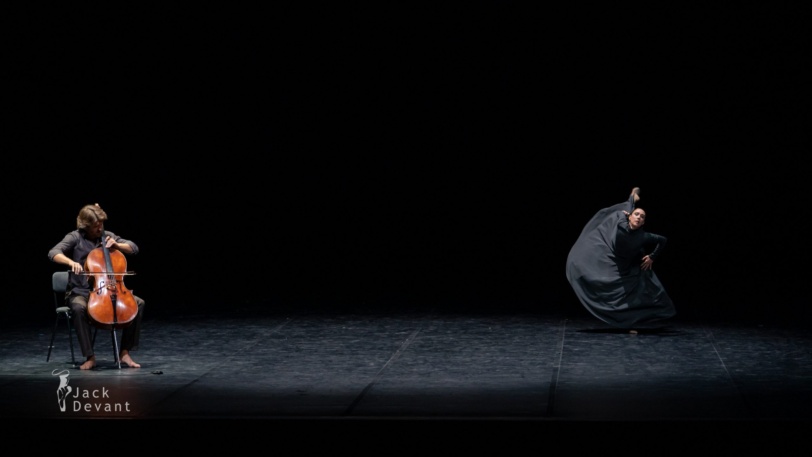
    One piece in the second half was a segment from “M-Dao” choreographed by dancer Wang Yabin for the English National Ballet (ENB). Accompanied by cello music, principal Ksenia Ovsyanick, clad in a long dress, showcased the beauty of the body to the fullest extent.
    © Jack Devant

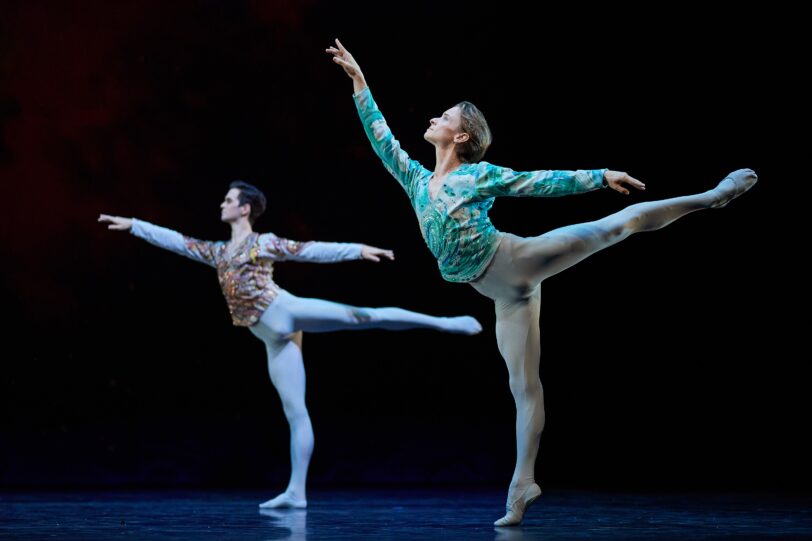
    The final piece was a male version of “Variations for Four.” Two principals, Daniil Simkin and Dinu Tamazlacaru, paired with two corps de ballet groups, donned cloaks on stage, resembling a male troupe from the Don Quixote era. Usually, the finale is full of showy technical skills; however, although there was technique on display, it was not flashy. Tamazlacaru’s Barrel Roll had height but his body was somewhat stiff, while Simkin’s execution of the same move even suggested he was a recently recruited dancer. Every time I see him, I have to lower my expectations for him further.
    © Yan Revazov


    II

    The Berlin company aimed to make “From Berlin with Love” a series under the pandemic. Most of the program for the first gala was modern and contemporary ballet, while the second gala fulfilled the expectations of classical ballet lovers.This time, “Pas de Quatre” opened the show again, but reverted to Jules Perrot’s original version. Among the four dancers, there was one principal, two soloists, and one demi-soloist. Each gave a commendable performance, though Aya Okumura from Japan was slightly slow in movement, making her performance less crisp. Overall, this opening well demonstrated Berlin company’s strong capabilities.This Romantic work is very demanding on the dancers’ fundamentals. Every step of the classical ballet technique appears here, from the slow Adagio to the brisk Petite Allegro, to the Grand Allegro which tests the dancers’ jumping abilities. Aside from the ensemble dances at the beginning and end, each dancer had long solo variations that allowed them to fully showcase their unique traits and strengths. The most impressive was soloist Evelina Godunova, tall with long legs, and perfectly executed movements—she seems to be a promising rising star.

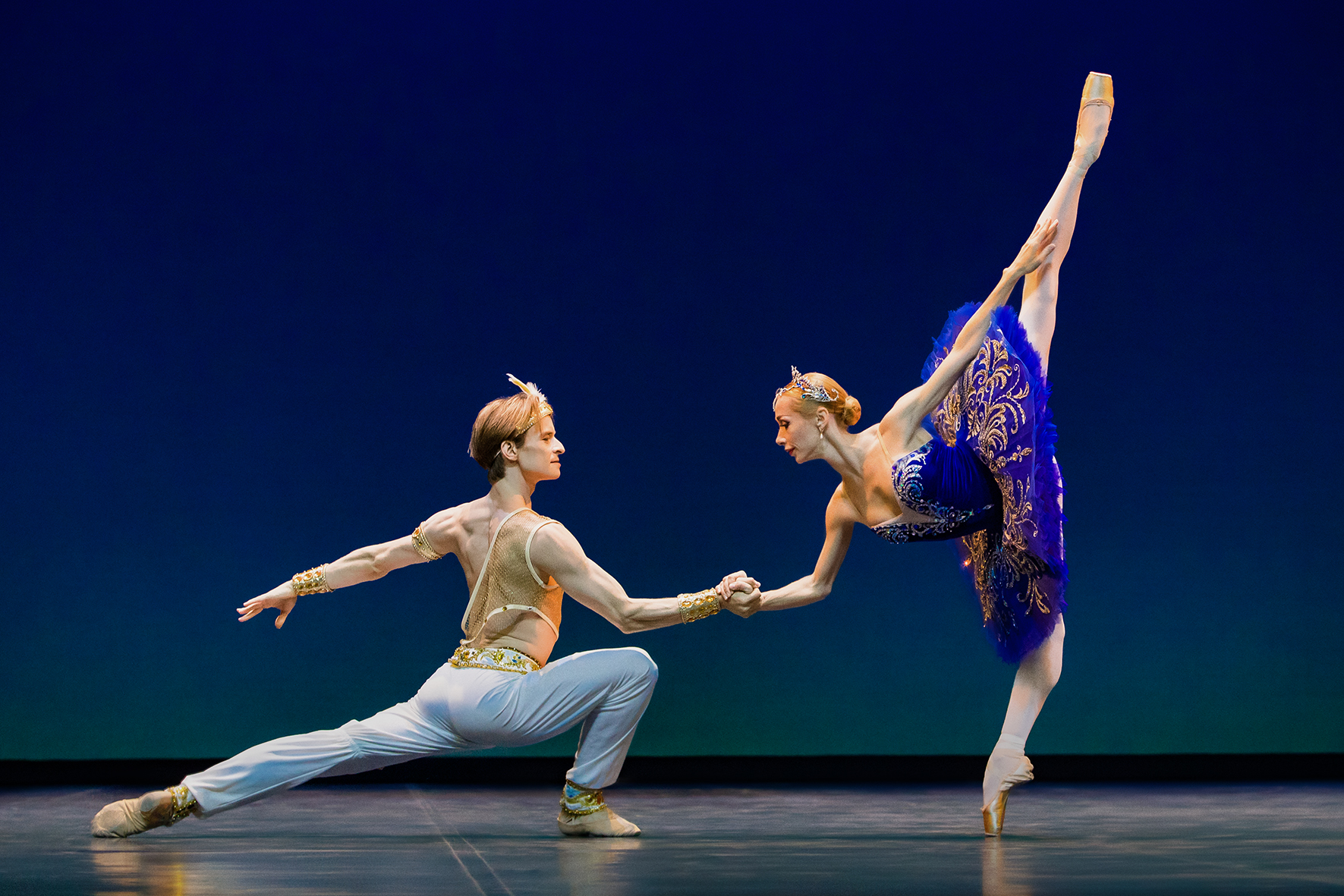
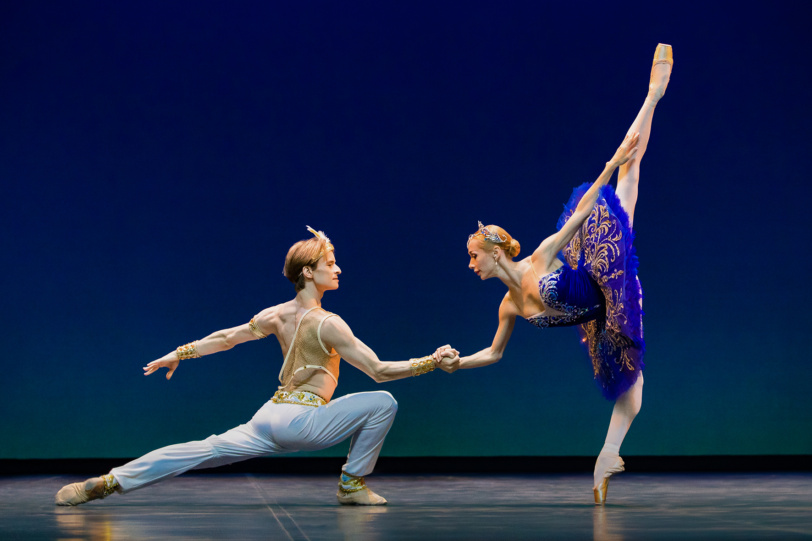
    The second piece was a pas de deux selection from “Corsaire,” performed by Berlin company’s two pillars, Iana Salenko and Daniil Simkin. Being pillars means that whenever you come to Berlin, if not specifically to see the goddess Polina, you’ll almost certainly watch these two. However, no matter how many times I’ve watched them dance separately or together, it always feels like their emotional connection is lacking. As principals, their technical skills are unquestionable, but the high standards that come with that seem to hinder their emotional expression during dance. As an audience member, it’s hard to be moved. Daniil is physically too small, and his features give a somewhat androgynous impression, making it hard for him to convey masculine vigor, while Iana, as the leading female principal, fails to project the “royal aura” and seems more like a technically superb member of the corps de ballet than a principal.
    © Yan Revazov

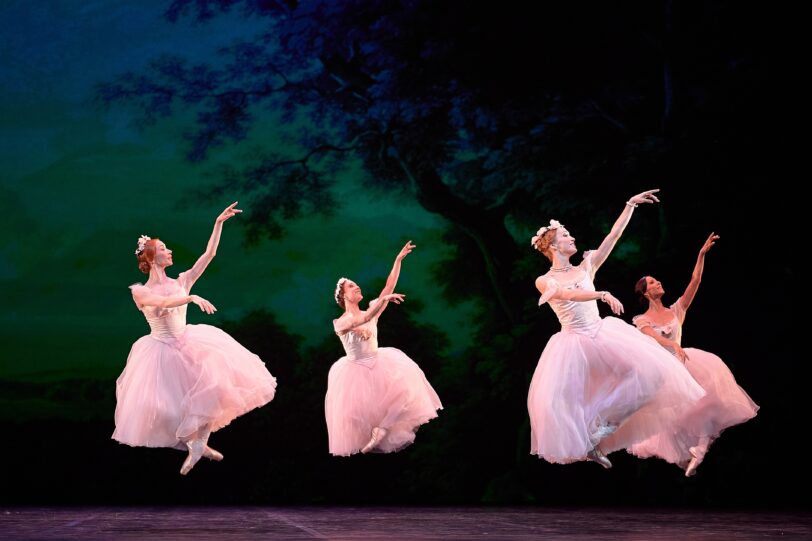
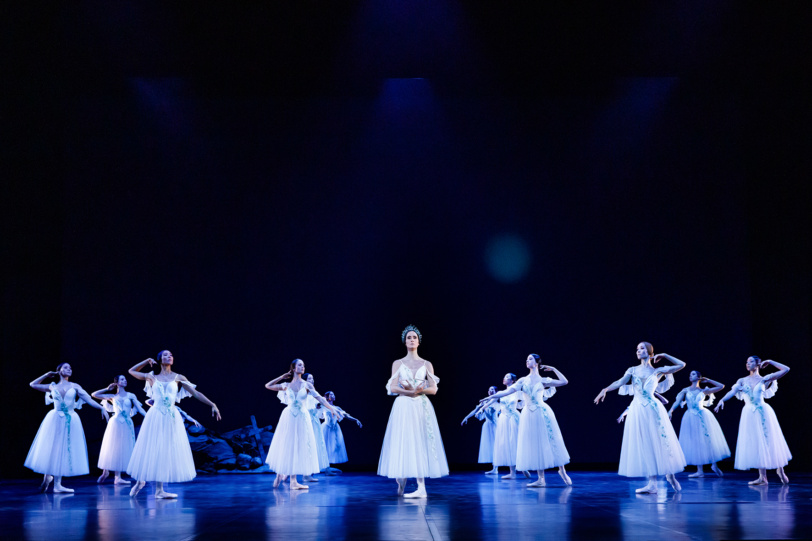
    In “Giselle,” the scene performed was the Act II ghost ensemble. This is my favorite large group dance after the ghost kingdom selection in “La Bayadère.” It features both Giselle’s solo virtuosity and simultaneous performances by dozens of corps dancers. It’s thrilling but also exposes the company’s weaknesses. After all, so many dancers on stage means practically the whole company is mobilized. Throughout Germany, only Berlin raises the corps de ballet standard this high (partly due to numbers—Berlin’s female dancers total 53 including guest star Polina. By comparison, Munich has a relatively large troupe with 37, while the Hamburg company only has 28 female dancers).
    © Yan Revazov

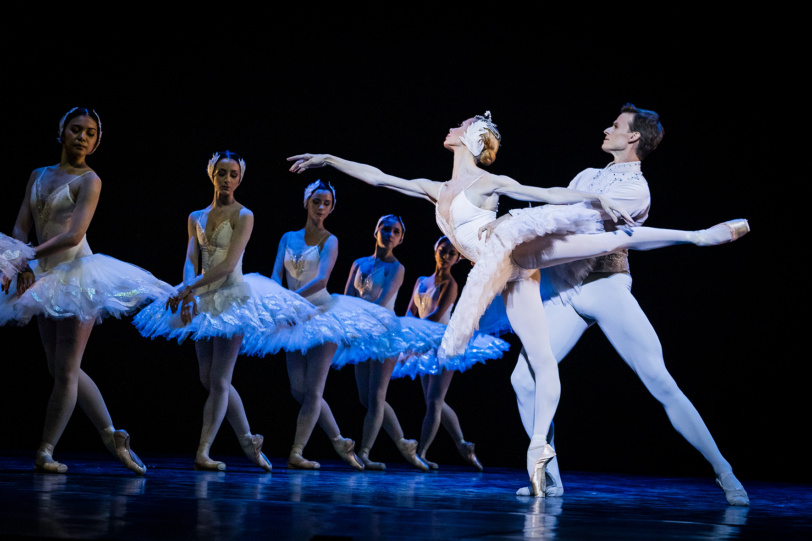
    The second half included several excerpts from “Swan Lake.” As a huge fan of “Swan Lake,” I was extremely excited. The ancient saying goes: “There is no bad ‘Swan Lake’ — only overly picky audiences.” Not enough arm softness? Then just watch the legs. Emotional detachment? Then don’t focus on the face.

    Although I was still bothered that the third act in the first “From Berlin with Love I” switched dancers suddenly, causing me to miss the goddess’s version of “Swan Lake,” I still felt Iana’s version in this gala perfectly showcased the pure beauty of ballet through her appropriately delivered movements. Not only on stage, but the musical arrangement for “Swan Lake” backstage was also superior to others. With the pandemic, ballet companies have all switched to playing recorded music, where the bass sounds muffled in the audience. Only in this show was a live orchestra used, albeit only four musicians in the pit, but the effect was significantly better.
    © Yan Revazov

    After watching these two galas, I felt that the Berlin company’s “From Berlin with Love” series somewhat appeared hastily assembled. Previous galas were filled with stars and high-difficulty moves everywhere, but now it seems more like whoever is available is used, and because of the low attendance, cost concerns are also considered. I look forward to the pandemic’s end so I can return to Berlin and see a full-length ballet performance.These days, Berlin has added “From Berlin with Love III” and “IV,” featuring “Corsaire,” “Swan Lake,” “A Midsummer Night’s Dream,” as well as “Jewels” and several contemporary ballets, catering to various enthusiasts’ tastes. Performances are scheduled for 17 & 18 October and 29, 30 & 31 December. Due to popular demand, a performance of “II” was added on 18 December as well. Remember to buy tickets in advance.


  • Theater Reopens, Munich Welcomes Its First Immersive Drama

    Theater Reopens, Munich Welcomes Its First Immersive Drama

    Theaters Reopen: Munich Welcomes Its First Immersive Theater Production

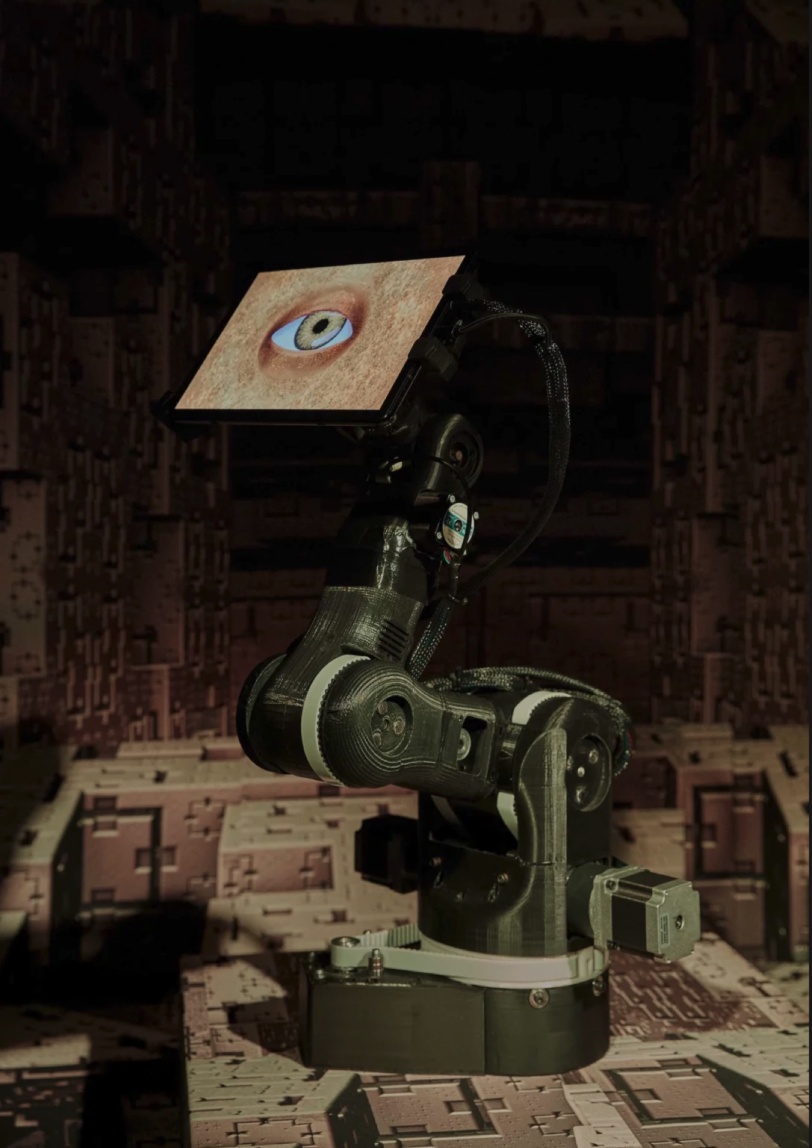
    “Know thyself” is the inscription on the threshold of the Oracle of Delphi[1] , and it may well be the most important maxim of the ancient world. The oracle’s guidance was often ambiguous and irrefutable. It posed paradoxes to those seeking advice, forcing them to think from another dimension. Created by Susanne Kennedy and Markus Selg, Oracle explores, in an immersive environment, the possibility of coexistence between humans and artificial intelligence. In this world, humanity ceases to be central to identity and instead becomes just one part of a symbiotic relationship with other creatures and intelligent machines.

    After falling in love with director Susanne Kennedy’s production of Three Sisters last year, I had been eagerly anticipating this new play. However, shortly after rehearsals began, the entire production was halted due to COVID-19. For several weeks, the director and actors continued rehearsing via Zoom, which made it possible for a trial version of this play to be presented in June, allowing theater-lovers to return to the stage.

    Upon entering the main area, three actors wearing masks and voice modulators guide you to a stone pillar and introduce themselves as messengers of the gods. The intense gaze of the actors instills a strange fear. As they proceed, they silently slip behind you and whisper, their body language and words expressing curiosity about “you” as a human. This is, in my opinion, the best part of the entire play. The mix of excitement and fear quickly transforms the audience from mere observers into worshippers in a temple. When the actors’ voices are modulated to sound mechanical, audiences familiar with the director are instantly transported back to scenes from Three Sisters.

    © Judith Buss


    However, after the first segment, the following 30 minutes feel somewhat sloppy. Lying on blankets listening to recordings, entering a small dark room to watch strobe lights, or engaging in silent diagonal eye contact with actors in a room — although one can understand the director’s artistic intentions, the execution feels haphazardly assembled. The set relies heavily on curtains rather than solid architectural materials to evoke the feeling of a temple. As you move through the space, you gradually slip back from the immersive experience into the role of a spectator.

    At the center of the temple, there are three opportunities to ask the “god” a question. But whether due to a limited sample or something else, the “god” before me—especially as a materialist—felt like a “synthetic simpleton.” Walking out of the theater, the excitement from the first part lingers, but I did not feel as if I had undergone a spiritual journey.

    © Judith Buss


    This immersive theater piece is similar in form to others, but compared to Sleep No More, it lacks the freedom for the audience to explore independently, as actors guide you along a predetermined path. The performance admits one audience member every 6 minutes, taking about 36 minutes to complete one circuit. In a two-hour show, there may be only about 20 spectators in total. I wonder how such a format can be profitable.

    As Munich’s first (?) immersive theater production, it is still worth seeing. Hopefully, the final version will improve.

    7/10

    [1] The Delphic maxims are said to originate from the sacred sayings of the Oracle of Apollo in the Temple of Apollo at Delphi, dating back to the 6th century BCE. They served as a series of moral guidelines for the pre-Socratic Greek peoples, containing much ancient Greek wisdom and teachings on character. The most famous maxim, “Know thyself,” was inscribed above the door of Apollo’s temple. The Delphic maxims advise living a pious life and are teachings bestowed by Apollo upon humanity.

  • What is the Best “Applied Drama” Awarded at the Berlin Theater Festival?

    What is the Best “Applied Drama” Awarded at the Berlin Theater Festival?

    What is the “Applied Theatre” That Won Best at the Berlin Theater Festival?

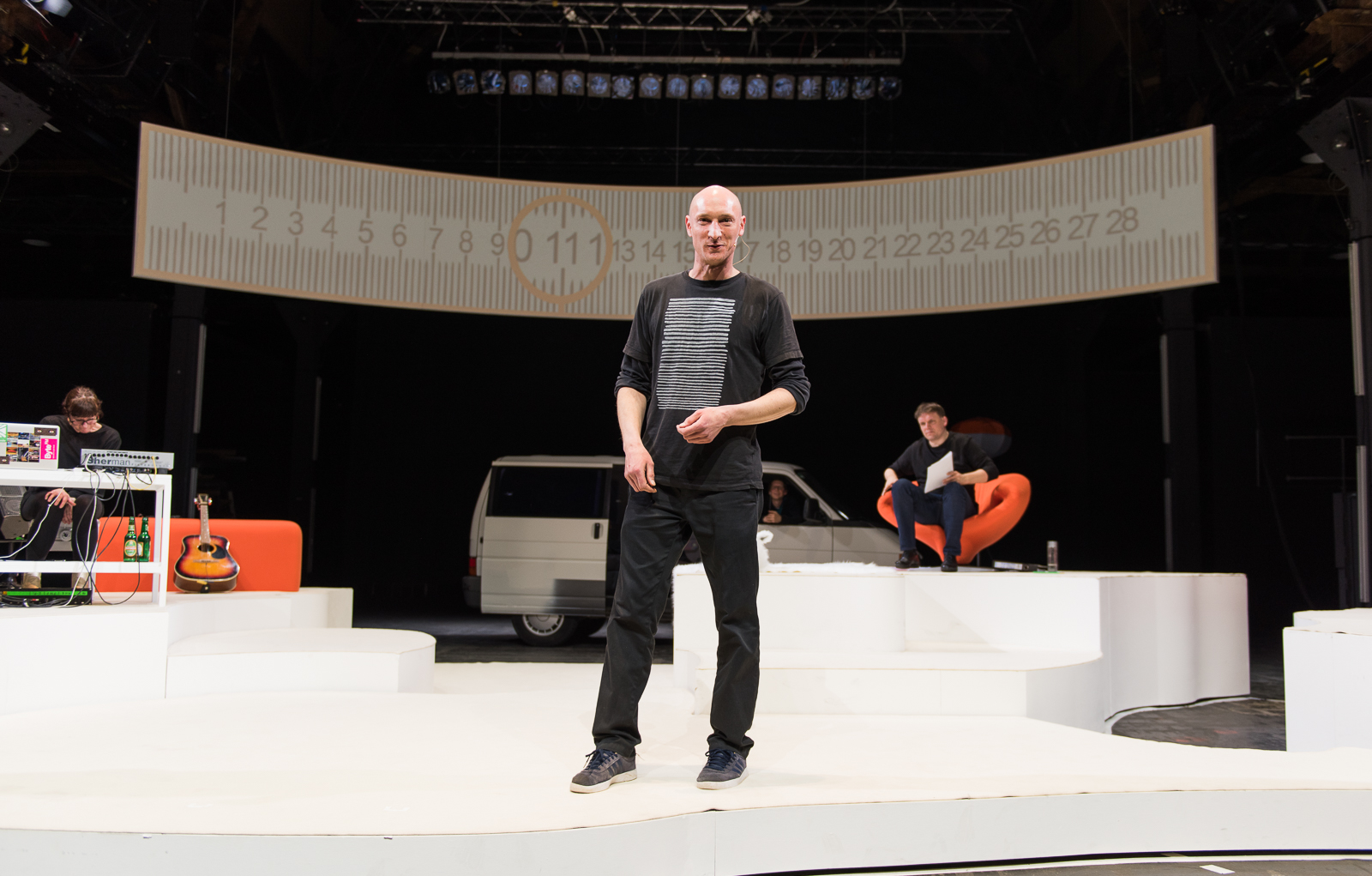
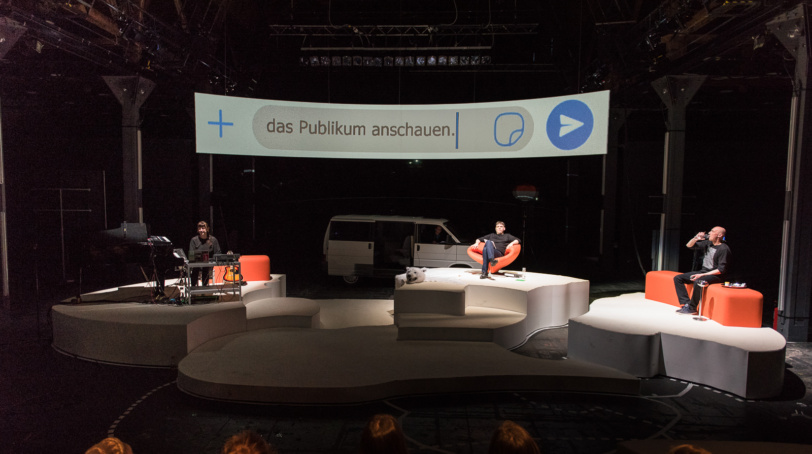
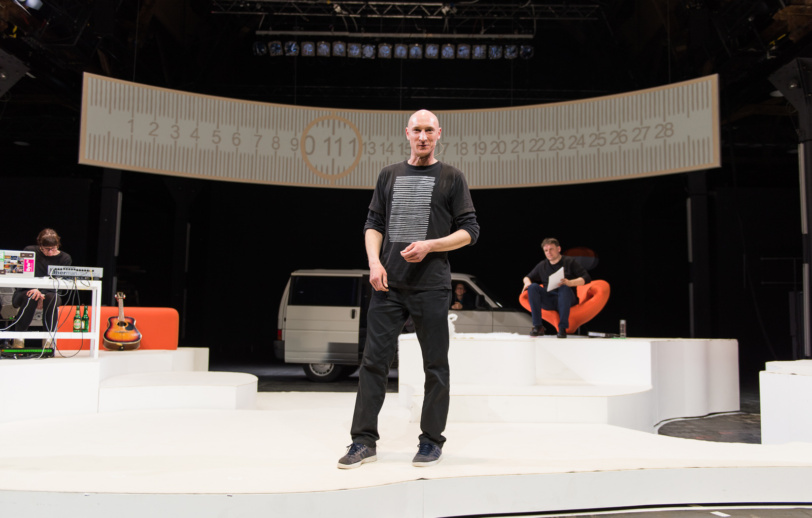
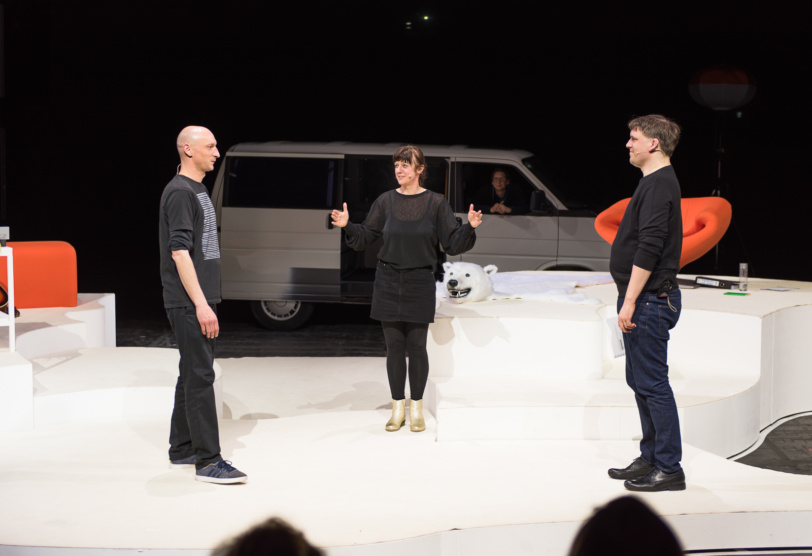
    The penultimate performance at the Berlin Theater Festival has been released. Having already seen the final piece “The Vacuum Cleaner,” I can confidently say that this year’s “Chinchilla Arschloch, waswas” has become my favorite work at this festival.

    Rimini Protokoll is a very famous applied theatre group in Germany. Its three founders were all students in the Applied Theatre Department at Justus Liebig University Giessen. Since its founding in 2000, Rimini has continuously won awards. This year marks their third time being selected among the top ten at the Berlin Theater Festival. When theaters in Germany initially closed due to the pandemic, Rimini put many previously recorded videos online (official website link, free to watch, VPN may be needed). This play is also the only one at this Berlin Theater Festival with a screening time exceeding 24 hours and still available for viewing.

    © Robert Schittko


    Rimini is acclaimed as the founder of “documentary theatre.” Specifically, most of the actors in their plays are non-professionals, referred to as “experts of everyday life,” and the stories told on stage are often the actors’ own stories. The aim is to tear open real life and present its full picture from an extraordinary perspective. So what exactly is “documentary theatre”? And what is “applied theatre”? You can listen to my discussion about “applied theatre” with a theatre PhD based in New York at the end of this article!

    Before watching this “Chinchilla,” I had just seen their previous work “Uncanny Valley.” At first glance, the two pieces are quite similar aside from the different actors and themes. Although “Uncanny Valley” was also invited to perform at the Berlin Theater Festival venue, it did not receive favor from the organizers. Compared to that, today’s “Chinchilla,” even without the “applied” label, remains a very “engaging” theatre work.

    The title “Chinchilla Arschloch, waswas” translates roughly to “Chinchilla asshole, what what?” This absurd name actually comes from the curses uttered involuntarily by people with tic disorder. They uncontrollably make throat-clearing sounds or shrug their shoulders, shake their heads and sway, often accompanied by compulsions and uncontrollable swearing.

    Those with tic disorder do not intentionally or habitually make these movements; their symptoms result from imbalances in dopamine in the brain. Such uncontrollable movements are called “tics,” which naturally match the style of German theatre very well. Even professional actors often display similar behaviors. As a result, in performances by actors with tic disorder, it even feels as if they are highly trained German theatre actors, making the entire performance very natural.

    © Robert Schittko

    Actor Christian Hempel did not want to memorize lines, so at the start he told the audience that one of his conditions for participating was not having to learn lines. The lengthy monologues that followed were read straight from the script. This kind of breaking away from traditional theatre conventions is exactly one of the reasons German theatre is so beloved.

    “Everything in theatre is pre-designed, including accidents.”

    However, the completely uncontrollable “tics” add a new dimension to the theatre. People smoke on stage, go naked, but no one has dared to smoke marijuana on stage; in Germany there have been plays flirting with Nazi themes, but no one had boldly shouted “Heil Hitler” until now. Seeing the actors not only break theatrical boundaries but even “play the illness” by doing things in daily life that are often frowned upon adds a comedic element to this play.

    In “Uncanny Valley,” Rimini designed a game where a high-level quadriplegic patient sitting in a wheelchair navigates a maze. Likewise, in “Chinchilla,” there is a competition segment where two actors with tics compete to see who “tics” first. These gameplay segments are incredibly natural, and watching the uninhibited laughter on stage makes the audience continually reflect on what differences exist between them and us. We all know staring at disabled people is impolite, but Rimini seems to push the notion of “politeness” forward. If we completely accept disabled people as simply different kinds of “normal,” then what is impolite about staring?

    © Robert Schittko

    The final song without any “tic” felt like it had perfectly encapsulated all the beauty of theatre. Yet as soon as the music stopped, Hempel read a letter from his neighbor: “If you curse again in the yard, we will see you in court.” Before entering the theatre, we might have supported the neighbor’s stance, but two hours later, perhaps we all gained a little more understanding and tolerance for people with tic disorder. Isn’t this exactly the role of applied theatre?

    In this episode of “Moon Never Sets Theatre Watch,” I tried to clarify what exactly “applied theatre” is with a senior scholar in New York, you can scan the QR code to follow [Moon Never Sets Theatre Watch], or manually search for it on Ximalaya, Apple Podcasts, and Spotify. You are also welcome to submit your questions, suggestions, expressions of love, or topics you wish to learn about, which might become our next episode’s theme.

    Contents Index

    0’55”   Introduction to Rimini Protokoll

    3’24”   What exactly is applied theatre?

    10’58” Appropriate scenarios for applied theatre

    12’18” What is theatre?

    15’21” Senior scholar’s favorite “prison theatre”

    17’27” Why applied theatre is not very entertaining

    20’08” What does applied theatre have to do with me?

    21’26” PhD senior most wants to be a “domestic worker”

    30’00” Where does Chinese theatre fall short compared to German theatre?